




¿Qué dopantes reducen o aumentan la resistividad eléctrica de la alúmina?
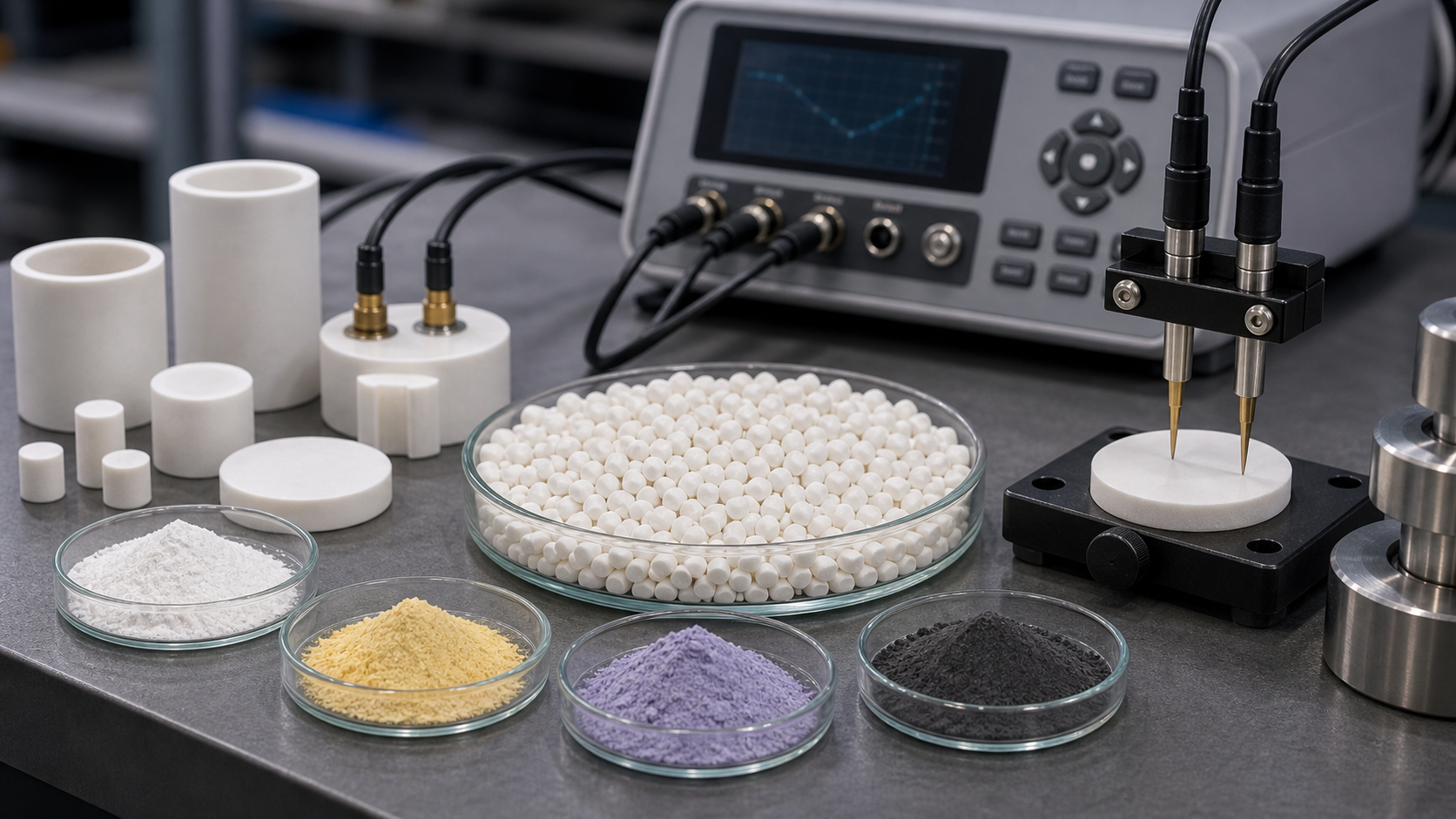
En resumen: La cerámica de alúmina es una opción básica muy práctica cuando una pieza requiere aislamiento eléctrico, dureza, estabilidad química y resistencia a altas temperaturas. La calidad final sigue dependiendo de la pureza, la porosidad, la geometría, la atmósfera y el método de moldeado y cocción de la pieza. Si estás evaluando este material para un proyecto real, define las condiciones de aplicación antes de solicitar un presupuesto.
«¿Qué dopantes reducen o aumentan la resistividad eléctrica de la alúmina?» es una pregunta práctica para los ingenieros que necesitan una cerámica fiable sin complicar en exceso el diseño. La alúmina se utiliza ampliamente porque ofrece un equilibrio entre aislamiento, dureza, resistencia al calor y coste. Pero la alúmina no es un único material. La pureza, el tamaño de grano, la porosidad, el acabado superficial y el proceso de cocción pueden alterar sus prestaciones. Esta guía se centra en el problema de selección que plantea el título, no solo en el nombre del material. Ayuda a los compradores a preparar mejores planos, formular preguntas más acertadas y evitar elegir un tipo de alúmina que no pueda cumplir con las condiciones reales de funcionamiento.
En Centro de cerámica avanzada, las conversaciones más útiles parten de la aplicación, no solo del nombre del material. El objetivo es elegir la cerámica que mejor se adapte a las necesidades en cuanto a calor, desgaste, aislamiento, propiedades químicas, geometría e inspección.
Notas de investigación y fuentes
Referencias sobre las propiedades de la alúmina, tales como referencias publicadas sobre propiedades de los materiales muestran por qué la cerámica de óxido de aluminio es un material de referencia habitual. Combina aislamiento, dureza y resistencia al calor de una forma que resulta práctica para numerosas piezas industriales.
El aspecto clave en la selección de proveedores es el control de la calidad. La pureza, la densidad y la porosidad de la alúmina, así como el proceso de fabricación, pueden influir en el comportamiento de la pieza. Por lo tanto, un artículo bien documentado debería explicar tanto las propiedades como las cuestiones relacionadas con el aprovisionamiento que hay detrás de ellas.
¿Qué es lo primero que deben saber los ingenieros sobre los dopantes de la resistividad eléctrica de la alúmina?
La cerámica de alúmina es una opción básica muy práctica cuando una pieza requiere aislamiento eléctrico, dureza, estabilidad química y resistencia a altas temperaturas. La calificación final sigue dependiendo de la pureza, la porosidad, la geometría, la atmósfera y la forma en que se moldea y se cuece la pieza. Un buen análisis debe partir del entorno de uso, no del nombre que figura en el catálogo. Utiliza el tema del título para definir el modo de fallo y, a continuación, compara los materiales en función del riesgo y la facilidad de fabricación.
La propiedad más importante depende del modo de fallo
En caso de problemas relacionados con el calor, hay que tener en cuenta la temperatura máxima, los ciclos térmicos y la atmósfera. En caso de problemas de desgaste, hay que tener en cuenta la dureza, la tenacidad, el material con el que entra en contacto y el acabado superficial. Para usos electrónicos o de investigación, la pureza y la contaminación pueden ser tan importantes como la resistencia.
| Área de revisión | Por qué es importante | Qué hay que confirmar |
|---|---|---|
| Temperatura | Temperatura máxima y temperatura de funcionamiento | Ciclos térmicos y atmósfera |
| Tensión mecánica | Desgaste, flexión, impacto, compresión | Material de acoplamiento y acabado superficial |
| Pureza | Investigación, electrónica o procesos limpios | Límites de contaminación y envasado |
El tipo de material y el proceso de fabricación influyen en el resultado
Dos piezas pertenecientes a la misma familia química pueden comportarse de forma diferente si varían la pureza, la densidad, la porosidad, el tamaño de grano o el proceso de cocción. Por eso las fichas técnicas son útiles, pero siguen siendo necesarios los planos y las condiciones del proceso.
Ejemplos de aplicación y lógica de selección
Utiliza este material cuando su principal ventaja resuelva el problema real. Evítalo cuando otra cerámica ofrezca el mismo resultado con menor riesgo, menor coste o una fabricación más sencilla. Páginas internas como piezas de alúmina a medida, crisoles de nitruro de boro, y crisoles de nitruro de silicio puede ayudarte a comparar las opciones cercanas.
Páginas de productos relacionados, como tubos de alúmina, placas de alúmina, crisoles de cerámica de circonio, y crisoles de nitruro de boro puede ayudar a centrar el debate cuando ya se conocen la geometría o las condiciones de funcionamiento.
Qué hay que enviar antes de solicitar un presupuesto
La mejor solicitud de presupuesto explica a qué condiciones debe resistir la pieza. Incluye un esquema, las cotas, las tolerancias, la atmósfera, la temperatura, la carga, las propiedades químicas, los requisitos eléctricos, la cantidad y el modo de fallo actual.
Un flujo de trabajo práctico para la toma de decisiones
Empieza por las condiciones de funcionamiento y, a continuación, elige el material. Así se evita un error habitual en la selección de materiales: elegir una cerámica por su nombre antes de conocer el modo de fallo. Se deben analizar, en ese orden, el calor, el desgaste, el aislamiento, la química y la geometría.
A continuación, compara los procesos de fabricación. Una pieza puede fabricarse mediante prensado, fundición, mecanizado, cocción, rectificado, pulido o impresión. La mejor elección de material es aquella que satisfaga las necesidades de rendimiento y pueda producirse de forma repetible.
Lo que no hay que dar por sentado
No hay que dar por sentado que un dopante siempre mejora el aislamiento. Algunas adiciones pueden reducir la resistividad o crear fases en los límites de grano. En primer lugar, hay que definir las condiciones de ensayo eléctrico deseadas.
Lista de comprobación de la solicitud de presupuesto para este tema
En el caso de los proyectos relacionados con dopantes para la resistividad eléctrica de la alúmina, una buena solicitud de presupuesto debe centrarse en el problema concreto del cliente que motiva su búsqueda. Envía información detallada que explique qué es lo que hay que mejorar, qué ha fallado anteriormente y cómo se someterá a prueba la pieza.
- Plano, dimensiones, tolerancias y acabado superficial.
- Temperatura de funcionamiento, atmósfera, tiempo de mantenimiento y condiciones de ciclos térmicos.
- Carga mecánica, modo de desgaste, material de contacto y modo de fallo actual.
- Pureza, límites de contaminación, método de limpieza, cantidad y requisitos de inspección.
Cómo validar la elección antes de la producción
La validación del dopante debe definir el método de ensayo eléctrico antes de la selección del material. La resistividad puede variar en función de la temperatura, la humedad, el contacto con los electrodos, la fase en los límites de grano y el nivel de impurezas.
Compara las muestras en la misma configuración de medición. Si el objetivo es lograr un alto aislamiento, comprueba también la densidad, la porosidad, la contaminación superficial y la limpieza tras la cocción, ya que todos estos factores pueden influir en las vías de fuga.
Notas sobre la evaluación de proveedores
En el caso de la alúmina, infórmate sobre su pureza, densidad, método de fabricación y controles de calidad. Un nombre de material tan genérico como «alúmina» puede abarcar muchos grados y niveles de rendimiento.
El proveedor debería ayudar a elegir entre tubos, placas, varillas, recipientes, sustratos, polvos o piezas a medida. Adaptar la forma del producto a la aplicación suele ser la forma más rápida de reducir el riesgo.
| Pregunta que hay que hacer | Por qué es importante | Pruebas útiles |
|---|---|---|
| ¿Puede el proveedor explicar por qué se ha elegido ese grado? | Evita la sustitución por material genérico | Notas de calificación, ficha técnica o justificación de la solicitud |
| ¿Se puede fabricar la pieza geométrica de forma fiable? | Evita las opciones que, aunque técnicamente viables, entrañan riesgos | Revisión del mecanizado, revisión de tolerancias o historial de muestras |
| ¿Qué tipo de inspección se llevará a cabo? | Relaciona el presupuesto con los criterios de aceptación | Comprobación dimensional, inspección visual, densidad, pureza o ensayo eléctrico |
Notas técnicas finales antes de la adquisición
En lo que respecta al suministro de alúmina dopada, las condiciones de los ensayos eléctricos deben figurar en las especificaciones. Los valores objetivo de resistividad no tienen sentido a menos que se conozcan la temperatura, los electrodos, el estado de la superficie y los límites de impurezas.
Antes de publicar las especificaciones a nivel interno, hay que diferenciar los requisitos confirmados de las suposiciones. Los requisitos confirmados incluyen las dimensiones, las condiciones de funcionamiento, la cantidad y los requisitos de inspección. Las suposiciones incluyen la vida útil prevista, los materiales sustitutivos y los cambios en los procesos que no se han probado. Esta sencilla distinción ayuda al proveedor a responder con menos conjeturas y al comprador a comparar los presupuestos de forma más justa.
Conclusión
¿Qué dopantes reducen o aumentan la resistividad eléctrica de la alúmina? Es mejor abordar esta cuestión como un problema de selección de materiales, no como una simple definición. Empieza por el modo de fallo, compara la cerámica con el proceso y comprueba si la forma se puede fabricar de forma fiable. Si necesitas ayuda con un plano concreto o un requisito de investigación, ponte en contacto con nuestro equipo teniendo en cuenta las condiciones de trabajo y la cantidad prevista.
Preguntas frecuentes
¿Cuál es el aspecto más importante de los dopantes de la resistividad eléctrica de la alúmina?
La cerámica de alúmina es una opción básica muy práctica cuando una pieza requiere aislamiento eléctrico, dureza, estabilidad química y resistencia a altas temperaturas. La calidad final sigue dependiendo de la pureza, la porosidad, la geometría, la atmósfera y el método de conformado y cocción de la pieza.
¿Cómo debo especificar los dopantes para la resistividad eléctrica de la alúmina a la hora de solicitar un presupuesto?
Indica el plano, las dimensiones, las tolerancias, la temperatura, la atmósfera, la carga, las propiedades químicas, la cantidad y la propiedad que necesitas mejorar.
¿Puede un material cerámico sustituir a otro?
A veces, pero habría que analizarlo con detenimiento. Las cerámicas de aspecto similar pueden presentar diferencias en cuanto a tenacidad, resistencia al choque térmico, comportamiento dieléctrico, mecanizabilidad y riesgo de contaminación.
¿Necesito una pieza a medida o un producto estándar?
Utiliza un producto estándar cuando el tamaño y el material ya se adapten al proceso. Opta por una pieza a medida cuando la geometría, la tolerancia, la pureza o las condiciones de funcionamiento sean específicas.
¿Cuándo debo ponerme en contacto con Advanced Ceramics Hub?
Póngase en contacto con el equipo cuando se den simultáneamente requisitos relacionados con el calor, el desgaste, el aislamiento eléctrico, los ciclos térmicos o la contaminación. Una revisión temprana puede evitar costosos rediseños posteriores.