




Which Alumina Polishing Material is Best for Metals vs. Ceramics?
Polishing is a critical process across a wide range of industries, from aerospace to electronics, where the quality of the surface directly impacts both the performance and durability of materials. Alumina, or aluminum oxide (Al₂O₃), stands out as one of the most widely used polishing abrasives due to its remarkable hardness, chemical stability, and versatility. This article compares the performance of alumina polishing materials on metals and ceramics, focusing on their unique requirements and challenges. It highlights how different forms of alumina—powder, slurry, or paste—are suited for various materials, depending on factors such as particle size, material hardness, and the desired finish.
Choosing the right polishing material is crucial for achieving optimal results. For metals, polishing helps enhance corrosion resistance and achieve mirror-like finishes, which are essential in applications like medical implants and automotive parts. In ceramics, polishing ensures smooth surfaces for high-precision applications such as optical components or wear-resistant coatings.
En China Ceramic Manufacturer, Estamos especializados en productos cerámicos de alúmina with various forms and specifications, ensuring optimal performance for industrial and scientific applications.
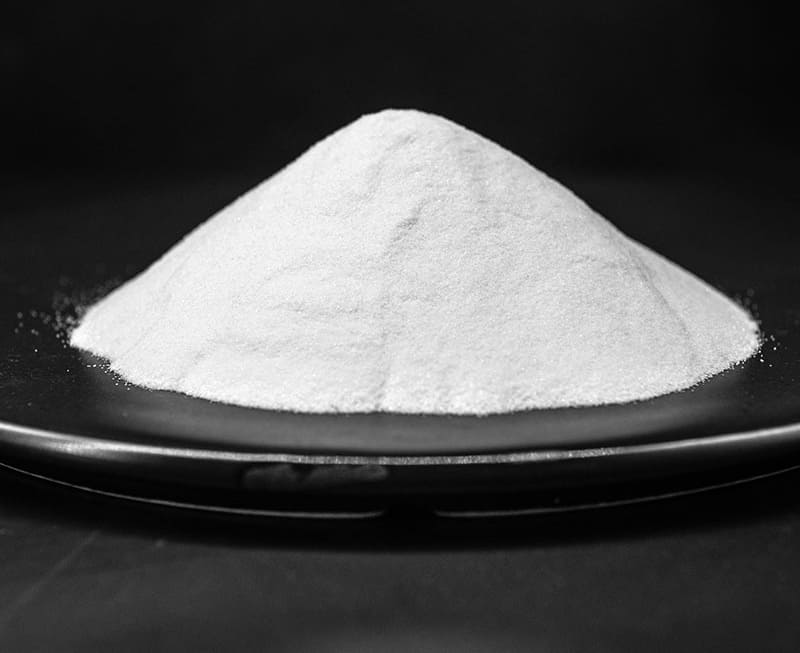
Overview of Alumina Polishing Materials
Alumina polishing materials, derived from aluminum oxide, are abrasive compounds used to refine surfaces by removing material at a microscopic level. Available in forms such as powders, slurries, pastes, y suspensions, alumina is prized for its high hardness (9 on the Mohs scale), chemical inertness, and ability to produce fine finishes. These materials are used in precision polishing for industries like semiconductor manufacturing, optics, and metallurgy. The choice of form depends on the application: powders are common for lapping, slurries for automated polishing, and pastes for manual finishing.
| Propiedad | Descripción | Impact on Polishing |
| Dureza | 99.9 %+ for high-grade alumina | Effective for hard materials like ceramics |
| Tamaño de las partículas | 0.05–50 microns | Determines finish quality and removal rate |
| Pureza | Affects the application method and precision | Prevents contamination in sensitive applications |
| Formulario | Powder, slurry, paste | Affects application method and precision |
- High hardness (similar to sapphire) for effective material removal
- Chemical inertness for consistent performance
- Thermal stability up to 2,000°C
Common Types of Alumina Polishing
- Alpha Alumina: Most stable form, used for high-precision polishing
- Gamma Alumina: Higher surface area for chemical-mechanical polishing
- Mixed Oxides: Alumina-zirconia composites for aggressive stock removal
Grit Size Applications
| Grit Range | Tamaño de partícula (μm) | Uso típico |
| Coarse (60-120) | 250-125 | Rough grinding |
| Medium (150-400) | 100-10 | Intermediate polishing |
| Fine (600-1200) | 20-5 | Final finishing |
| Ultra-fine (>2000) | <1 | Superfinishing |
¿Buscas productos de alta calidad? productos cerámicos de alúmina? Explore China Ceramic Manufacturer’s selection.
Alumina Polishing for Metals
Metals, ranging from soft aluminum to hard stainless steel, require polishing to achieve specific functional and aesthetic outcomes. Their properties, such as ductility, varying hardness (e.g., 2–7 on the Mohs scale), and susceptibility to scratches, dictate the polishing approach. Polishing metals typically aims to:
- Remove surface imperfections like scratches or oxide layers.
- Achieve a mirror-like finish for decorative or reflective purposes.
- Enhance corrosion resistance for applications in harsh environments.
The choice of alumina polishing material depends on the metal’s hardness and desired finish. For softer metals like aluminum or copper, finer alumina particles (0.3–1 micron) are preferred to avoid excessive material removal or surface damage. Harder metals like stainless steel or titanium can tolerate coarser particles (3–5 microns) for initial polishing, followed by finer grades for final finishing. Slurries are often used in automated systems for uniform results, while pastes suit manual polishing for intricate components.
The table below summarizes suitable alumina types for common metals:
| Metal Type | Dureza (Mohs) | Recommended Alumina Particle Size | Ejemplo de aplicación |
| Aluminio | 2-3 | 0.3–1 micron | Automotive trim |
| Acero inoxidable | 5–6 | 1–5 microns | Medical instruments |
| Titanio | 6 | 1–3 microns | Componentes aeroespaciales |
Factors to Consider for Metal Polishing:
1. Type of Metal:
✅ Metal Hardness (Vickers scale):
- Soft metals (Al, Cu): Use finer alumina (600-1200 grit)
- Hard alloys (Ti, tool steel): Start with coarser grit (120-400)
✅ Estructura cristalina:
- FCC metals (Al, Cu): Require lower polishing pressure
- BCC/HCP metals (Fe, Ti): Need higher abrasion rates
2. Abrasive Selection
| Alumina Type | Ideal para | Particle Shape | Removal Rate |
| Alpha-Al₂O₃ | Hard alloys | Angular | Alta |
| Gamma-Al₂O₃ | Delicate finishes | Esférica | Medio |
| Sintered Alumina | Rough grinding | Irregular | Muy alta |
4. Surface Finish Requirements
✅ Cosmetic vs Functional:
- Mirror finish (Ra <0.05μm): Requires 3-stage alumina progression
- Functional (Ra 0.1-0.4μm): 2-stage process sufficient
Best Alumina Polishing Materials for Metals:
1. Alpha-Alumina (α-Al₂O₃) – The Workhorse for Hard Metals
✅ Ideal para: Stainless steel, titanium, nickel alloys
✅ Grit Range:
- Coarse (60-150 grit): For heavy stock removal
- Fine (400-1200 grit): Final finishing (achieves Ra 0.1-0.4 μm)
Why?
- Angular particle shape maximizes cutting efficiency
- High thermal stability (up to 2,000°C) prevents glazing
- Maintains sharp edges for >50% longer than gamma-alumina
2. Gamma-Alumina (γ-Al₂O₃) – Precision Finishing for Soft Metals
✅ Ideal para: Aluminum, copper, brass
✅ Grit Range: 800-2000+
✅ Ventajas:
- Spherical particles minimize surface scratching
- Higher chemical activity enables chemo-mechanical polishing
- Achieves mirror finishes (Ra <0.05 μm) on copper alloys
3. Sintered Alumina – Aggressive Material Removal
✅ Ideal Applications:
- Rough polishing of castings/forgings
- Deburring hardened tool steels
✅ Características principales:
- Irregular, blocky particles for fast cutting
- 3× longer life than conventional alumina
- Available in bonded wheels (resin/vitrified)
4. Doped Alumina Composites – Specialty Solutions
| Additive | Beneficio | Ideal para |
| Chromia (Cr₂O₃) | Increases hardness by 15% | Superalloys (Inconel) |
| Circonio (ZrO₂) | Prevents loading | Gummy metals (lead, tin) |
| Ceria (CeO₂) | Enhances chemical polishing | Titanium medical implants |
5. Nano-Alumina Slurries – Ultimate Surface Perfection
✅ Tamaño de las partículas: 20-100 nm
✅ Aplicaciones:
- Semiconductor metallization layers
- Optical-grade metal mirrors
✅ Process Requirements:
- pH-controlled (8.5-10.5 for most metals)
- Magnetic field-assisted polishing for uniformity
Selection Guide by Metal Type
| Metal | Recommended Alumina | Grit Progression | Achievable Ra |
| Aluminio | Gamma-alumina | 800 → 1200 → 2000 | <0.05 μm |
| Acero inoxidable | Alpha-alumina | 240 → 400 → 800 | 0.1-0.2 μm |
| Titanio | Ce-doped alpha | 320 → 600 → 1000 | 0.2-0.3 μm |
| Copper | Gamma + zirconia | 600 → 1000 → 1500 | <0.1 μm |
| Tool Steel | Sintered alpha | 120 → 240 → 400 | 0.4-0.6 μm |
Explore nuestros productos optimizados de cerámica de alúmina.
Alumina Polishing for Ceramics
Ceramics, such as alumina, zirconia, or silicon carbide, are significantly harder (Mohs 7–9) and more brittle than metals, requiring specialized polishing approaches. Polishing ceramics aims to achieve ultra-smooth surfaces for applications like optical lenses, semiconductor substrates, or wear-resistant components. Key goals include:
- Attaining optical clarity for transparent ceramics.
- Minimizing surface defects to enhance mechanical strength.
- Achieving sub-micron surface roughness for precision applications.
Due to ceramics’ hardness, ultra-fine alumina particles (0.05–0.3 microns) are typically used to avoid cracking or subsurface damage. Suspensions or slurries are preferred for their ability to distribute abrasive particles evenly, ensuring consistent results. Polishing ceramics often involves multiple stages, starting with coarser abrasives (e.g., diamond) for material removal, followed by alumina for final polishing. The brittleness of ceramics requires low-pressure polishing to prevent micro-cracks.
The table below outlines alumina recommendations for common ceramics:
| Ceramic Type | Dureza (Mohs) | Recommended Alumina Particle Size | Ejemplo de aplicación |
| Alúmina | 9 | 0.05–0.3 micron | Ceramic bearings |
| Zirconia | 8–8.5 | 0.1–0.5 micron | Dental implants |
| Carburo de silicio | 9–9.5 | 0.05–0.2 micron | Semiconductor wafers |
1. Unique Challenges in Ceramic Polishing
Ceramics require fundamentally different approaches than metals due to:
- Gran dureza (often exceeding metals)
- Brittle fracture behavior (risk of micro-cracking)
- Inercia química (limits chemo-mechanical effects)
2. Optimal Alumina Types for Ceramics
| Ceramic Type | Recommended Alumina | Tamaño de partícula (μm) | Propiedades clave |
| Alúmina (Al₂O₃) | Monocrystalline α-Al₂O₃ | 1-15 | Matches substrate hardness |
| Circonio (Y-TZP) | Ce-doped α-Al₂O₃ | 0.5-5 | Prevents phase transformation |
| Nitruro de silicio | Sintered Al₂O₃-ZrO₂ | 3-20 | Aggressive cutting |
| Carburo de silicio | Diamond-Al₂O₃ hybrid | 0.1-2 | Only alumina insufficient |
3. Grit Progression & Surface Finish
| Escenario | Grit | Tamaño de partícula (μm) | Material Removal Rate | Resulting Ra (μm) |
| Rough Grinding | 80-120 | 180-125 | 50-100 μm/min | 2.0-5.0 |
| Intermediate | 240-400 | 58-35 | 10-30 μm/min | 0.5-1.5 |
| Fine Polishing | 600-800 | 26-22 | 2-5 μm/min | 0.1-0.3 |
| Final Polish | 1200+ | <10 | <1 μm/min | <0.05 |
Solicite un presupuesto personalizado de productos cerámicos de alúmina de alta calidad.
Comparison of Alumina Polishing for Metals vs. Ceramics
When comparing the use of alumina polishing materials for metals and ceramics, several key differences arise.
Diferencias clave:
- Hardness and Brittleness: Metals are generally more flexible and less brittle than ceramics. This means that metals can tolerate more aggressive polishing techniques, whereas ceramics require more careful handling to avoid cracks.
- Surface Finish Requirements: Metals often need a highly reflective finish, especially in high-end industries, while ceramics may focus more on smoothness and optical properties (e.g., reducing surface defects without compromising strength).
- Polishing Speed and Efficiency: Polishing metals often requires faster material removal, especially in mass production, whereas ceramics need slower, more controlled polishing to ensure surface quality without damaging the material.
Fundamental Differences
| Parámetro | Metales | Cerámica | Technical Implications |
| Material Removal | Ceramics risk of thermal cracking | Brittle fracture + micro-abrasion | Ceramics require gentler approaches |
| Dureza | Typically <9 Mohs | Often >9 Mohs | Ceramics need harder/matched abrasives |
| Conductividad térmica | High (dissipates heat) | Low (heat accumulation) | Ceramics risk thermal cracking |
Process Parameters Comparison
| Parámetro | Metales | Cerámica | Reason |
| Pressure | 2-5 psi | 1-3 psi | Ceramics brittle |
| Speed | 500-3000 RPM | 50-300 RPM | Prevent heat buildup |
| Slurry Concentration | 5-15% | 15-30% | Higher ceramic hardness |
| Progression Jump | ≤2x grit increase | ≤1.5x grit increase | Avoid microfractures |
Surface Finish Outcomes
| Material | Typical Starting Ra (μm) | Achievable Ra with Alumina (μm) | Limiting Factor |
| Acero inoxidable | 2-5 | 0.02-0.1 | Work hardening |
| Aluminio | 1-3 | <0.05 | Smearing |
| Alumina Ceramic | 1-2 | 0.05-0.2 | Grain pullout |
| Zirconia | 0.5-1 | 0.01-0.1 | Phase transformation |
Defect Mechanisms & Solutions
| Defect Type | Metales | Cerámica | Prevention |
| Scratches | Contaminated abrasive | Grain fracture | Smaller grit jumps |
| Subsurface Damage | Work hardening | Microfisuras | Lower pressure |
| Heat Damage | Tempering colors | Thermal shock cracks | Enhanced cooling |
| Edge Issues | Rounding | Chipping | Bevelled edges |
En China Ceramic Manufacturer, Suministramos productos cerámicos de calidad optimizada que cumplen los siguientes requisitos ASTM y ISO normas, garantizando calidad y fiabilidad excepcionales.
PREGUNTAS FRECUENTES
| Pregunta | Respuesta |
| What is alumina polishing material? | Alumina, or aluminum oxide (Al₂O₃), is a highly effective abrasive used for polishing metals and ceramics due to its hardness and chemical stability. |
| How does alumina polishing perform on metals? | Alumina polishing on metals enhances corrosion resistance and creates smooth, mirror-like finishes, ideal for applications like medical implants and automotive parts. |
| What are the benefits of alumina polishing for ceramics? | For ceramics, alumina polishing ensures smooth, precise surfaces essential for optical components and wear-resistant coatings. |
| Which form of alumina is best for polishing? | The choice of alumina—whether powder, slurry, or paste—depends on factors like particle size, material hardness, and desired finish. |
| How does alumina compare to other abrasives for polishing? | Alumina is preferred for its hardness, chemical stability, and versatility, offering better control and efficiency than many other abrasives. |
| What factors should be considered when selecting alumina for polishing? | Key factors include the material being polished (metal or ceramic), particle size, hardness, and the specific polishing goals, such as surface smoothness or finish type. |
This article has explored the nuances of using alumina polishing materials for metals and ceramics, highlighting their distinct requirements and optimal approaches. For metals, coarser alumina particles and faster polishing methods suffice due to their ductility and lower hardness. Ceramics, however, demand ultra-fine alumina and meticulous techniques to achieve defect-free surfaces without compromising structural integrity. By understanding material properties and aligning them with alumina characteristics, manufacturers can achieve superior results.
The final recommendation is to select alumina polishing materials based on the specific application and material properties. For metals, prioritize cost-effective coarser grades for initial polishing, followed by finer grades for finishing. For ceramics, invest in high-purity, ultra-fine alumina for precision outcomes. Advances in polishing technology, such as automated CMP systems and eco-friendly slurries, promise to enhance efficiency and sustainability in the future, making alumina an even more valuable tool in surface finishing.
Para top-quality advanced alumina ceramic materials, China Ceramic Manufacturer proporciona soluciones a medida para diversas aplicaciones.
Looking for premium alumina ceramic materials? Póngase en contacto con nosotros