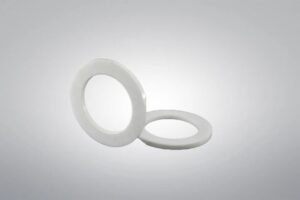




Bague en zircone stabilisée à la magnésie
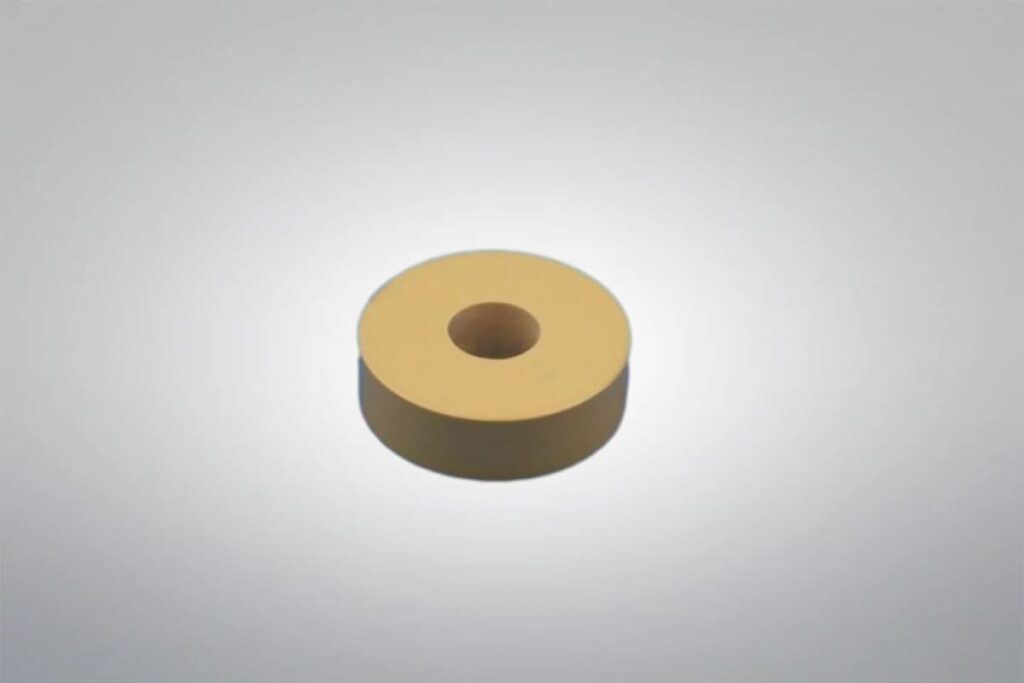
Bague en zircone stabilisée à la magnésie
Ou envoyez-nous un courriel à l'adresse suivante sales@advceramicshub.com.
Fiche technique de l'anneau en zircone stabilisée à la magnésie
|
Couleur : |
Jaune |
|
Taille : |
Sur mesure |
|
Densité (g/cm³) : |
5.70 |
|
Dureté (HV 0,5) : |
1100 |
|
Résistance à la rupture (MPa·m¹/²) : |
6-7 |
|
Résistance à la flexion (@RT) (MPa) : |
500 |
|
Résistance à la compression (@RT) (MPa) : |
2000 |
|
Conductivité thermique (@RT) (W/mK) : |
2.2 |
|
Coefficient de dilatation thermique (20-1 000 ℃) (10⁻⁶/℃) : |
10.3 |
|
Résistance aux chocs thermiques (ΔT ℃) : |
450 |
|
Température maximale de fonctionnement (à température ambiante) (℃) : |
2000 |
Description de la bague en zircone stabilisée à la magnésie
La bague en zircone stabilisée à la magnésie offre un excellent équilibre entre résistance mécanique et durabilité chimique. Conçue pour conserver son intégrité sous contrainte mécanique et dans des conditions réactives, elle présente de bonnes performances au contact de matériaux agressifs. Sa stabilité à haute température et sa résistance à l'usure en font un choix privilégié pour les applications d'étanchéité, d'isolation et de pièces structurelles haute performance dans divers secteurs industriels.
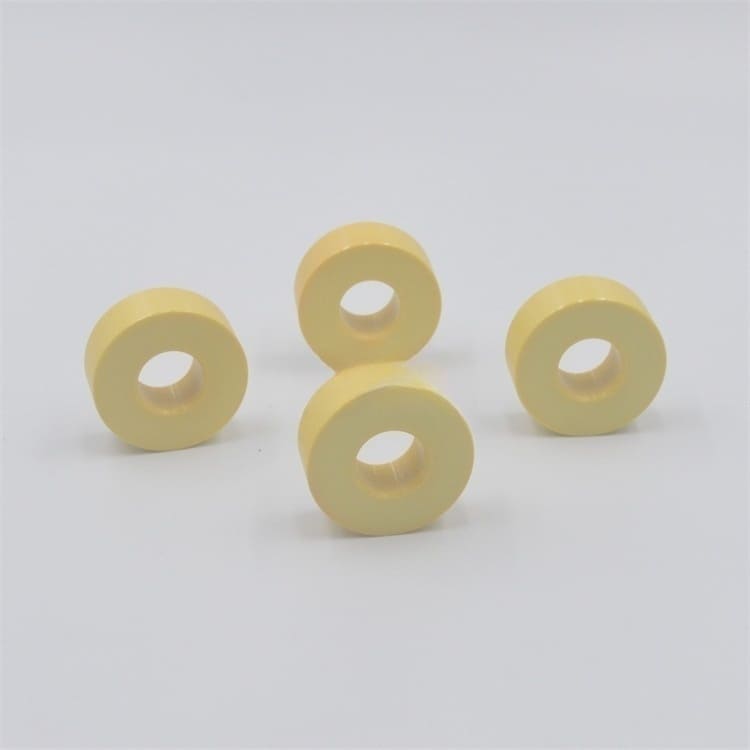
Caractéristiques de la bague en zircone stabilisée à la magnésie
- Haute résistance à la rupture : Résiste à la fissuration sous contrainte ou en cas de choc thermique.
- Bonne résistance à l'usure : Préserve l'intégrité de la surface dans des environnements abrasifs.
- Propriétés chimiques stables : Résiste aux acides, aux alcalis et aux métaux en fusion.
- Faible conductivité thermique : Assure une isolation efficace dans les applications à haute température.
- Stabilité dimensionnelle : Conserve sa forme et ses performances même en cas de cycles thermiques variables.
Applications des bagues en zircone stabilisée à la magnésie
- Anneaux de support du creuset : Utilisé dans les installations de fusion de métaux et d'alliages à haute température.
- Systèmes d'isolation thermique : Servir d'entretoise ou de joint d'étanchéité dans des environnements soumis à des températures extrêmes.
- Dispositifs électrochimiques : Contribuer à garantir des performances stables dans les piles à combustible à oxyde solide (SOFC).
- Machines de précision : Sert d'entretoise ou de bague d'alignement résistante à l'usure.
- Fabrication de semi-conducteurs : Sert de composant non contaminant dans les systèmes à vide et à plasma.
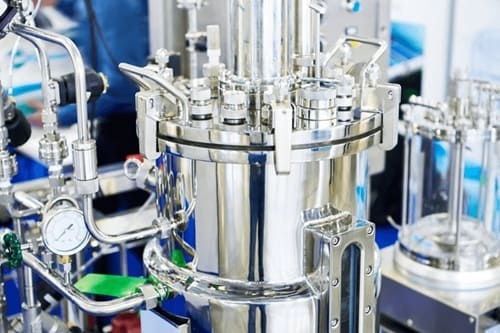 Équipement chimique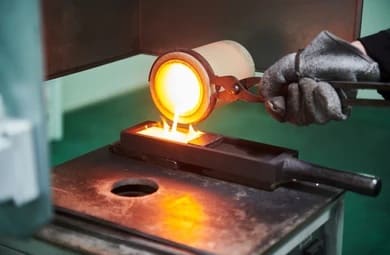
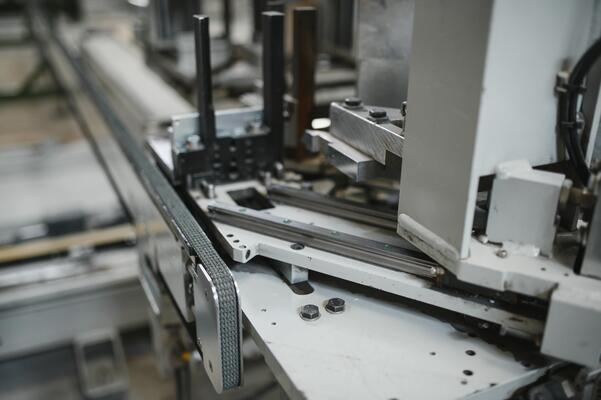 Guides des machines de précision
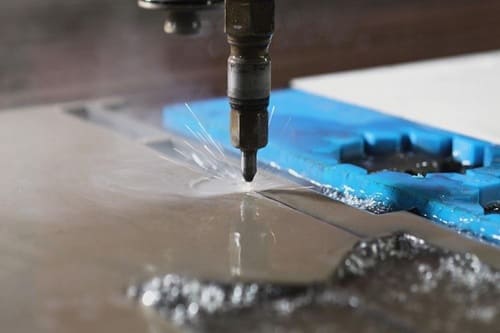 Composants semi-conducteurs
Usinage de la céramique à base de zircone stabilisée à la magnésie
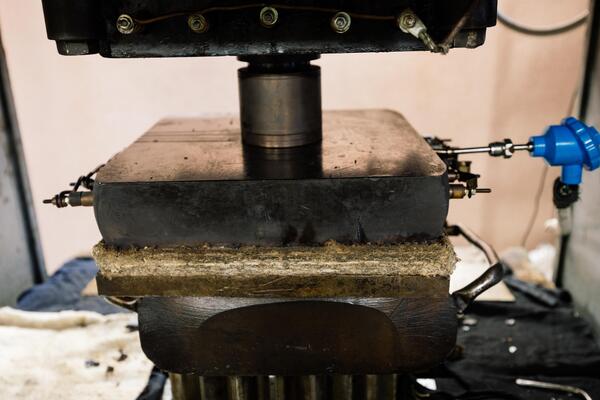
Usinage de la céramique à base de zircone stabilisée à la magnésie
Zircone stabilisée à la magnésie (MSZ) céramique Il peut être usiné avant le frittage (à l’état vert ou bisque) et, dans une bien moindre mesure, après densification complète. À l’état vert, le matériau est plus tendre et plus facile à travailler, ce qui permet de le façonner et de percer des détails complexes. Cependant, le frittage entraîne un retrait prévisible d’environ 15–20%, ce qui nécessite des ajustements de la conception initiale pour respecter les tolérances finales. Une fois entièrement fritté, le MSZ devient extrêmement dur et résistant à l’usure, ce qui rend son usinage difficile et le limite à la rectification de précision au diamant
Méthodes d'usinage et considérations
- Usinage « Green/Bisque » : Permet un façonnage et un formage efficaces avant le frittage ; utile pour les géométries complexes.
- Rétrécissement par frittage : Les dimensions finales pouvant subir un retrait de 15 à 20%, l'usinage préliminaire doit tenir compte de cette réduction dimensionnelle.
- Usinage par post-frittage : Cette opération n'est possible qu'à l'aide d'outils diamantés, dans des conditions contrôlées, en raison de la dureté et de la ténacité de la céramique.
- Manipulation pendant l'usinage : Malgré sa résistance, le MSZ fritté peut s'ébrécher ou se fissurer en cas de contrainte ou de manipulation inappropriée.
- Difficulté d'usinage : Le MSZ dense est difficile à usiner et nécessite des configurations CNC sophistiquées ainsi que des outils diamantés.
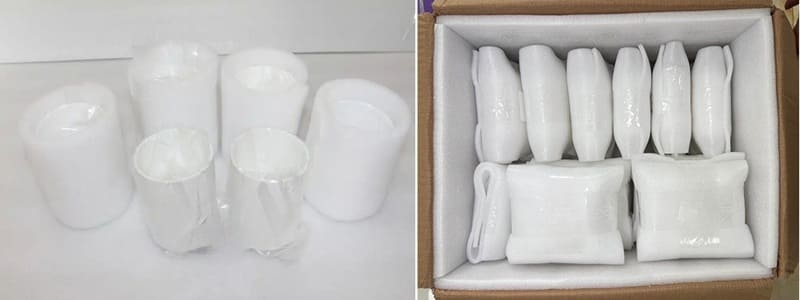
Emballage en céramique à base de zircone stabilisée à la magnésie
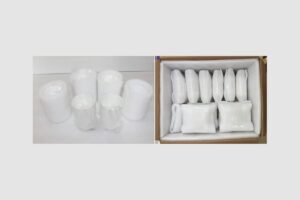
Les produits en céramique à base de zircone stabilisée à la magnésie sont généralement conditionnés dans des sachets scellés sous vide afin d'éviter toute humidité ou contamination, puis enveloppés de mousse pour amortir les vibrations et les chocs pendant le transport, ce qui garantit la qualité des produits et leur conservation dans leur état d'origine.
Télécharger
Obtenir un devis
Nous vérifierons et reviendrons vers vous dans les 24 heures.