



Magnesia Foam
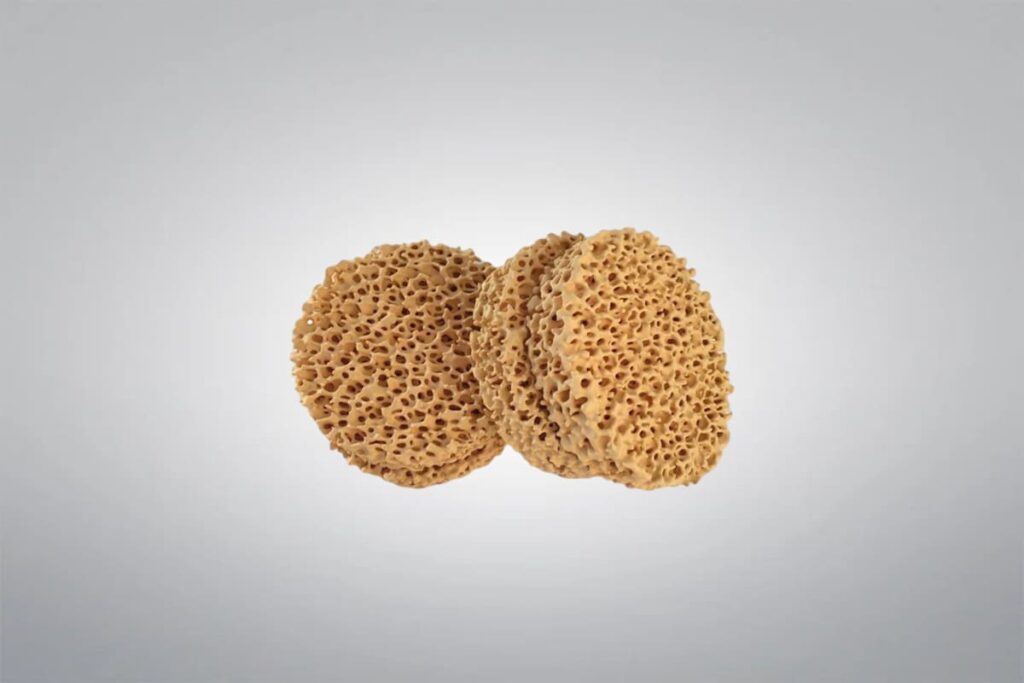
Magnesia Foam
Or email us at sales@advceramicshub.com.
Magnesia Foam Data Sheet
|
Shape: |
Round, Square |
|
Pore Density (PPI): |
8–40 |
|
Chemical formula: |
MgO |
|
Porosity (%): |
80–90 |
|
Refractoriness (°C): |
1100 |
|
Bending Strength (MPa): |
0.6 |
|
Compression Strength (MPa): |
0.8 |
|
Thermal Shock Resistance: |
6 times (1100°C to room temperature) |
|
Applicable Alloys: |
Nickel and high-activity alloys |
Magnesia Foam Description
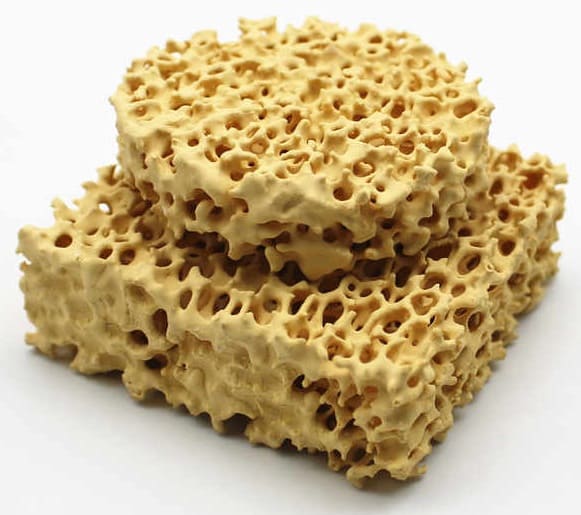
Magnesia Foam is a porous ceramic material engineered from high-purity magnesium oxide, offering excellent thermal resistance, chemical stability, and filtration performance. Manufactured using a replica technique that involves coating a polymer template with a magnesia slurry, followed by burnout and high-temperature sintering, this foam features a uniform pore structure and high open porosity. It is especially suited for high-temperature filtration in magnesium alloy processing and other non-ferrous metal applications. The structure enables efficient removal of inclusions while maintaining minimal flow resistance, enhancing both metal cleanliness and final product reliability.
Magnesia Foam Advantages
- Excellent Thermal Stability: Maintains structural integrity at high temperatures, making it ideal for molten metal filtration.
- High Chemical Resistance: Inert to magnesium and its alloys, reducing contamination during casting.
- Efficient Filtration Performance: Effectively traps slag and inclusions, enhancing the quality of cast components.
- Lightweight and Porous Structure: Ensures low thermal mass and fast heat-up rates, improving energy efficiency.
- Environmentally Friendly Production: Uses water-based binders and energy-saving kilns to reduce emissions and costs.
Magnesia Foam Applications
- Magnesium Alloy Casting: Used as a filter to remove non-metallic inclusions and improve casting quality.
- Aerospace Components: Applied in the production of lightweight, high-strength magnesium parts for aerospace applications.
- Automotive Industry: Ensures cleaner magnesium castings for engine blocks, wheels, and structural parts.
- Electronics Manufacturing: Supports high-purity casting for magnesium-based heat sinks and casings.
- High-Temperature Insulation: Functions as a thermal barrier in industrial furnaces and reactors handling reactive metals.
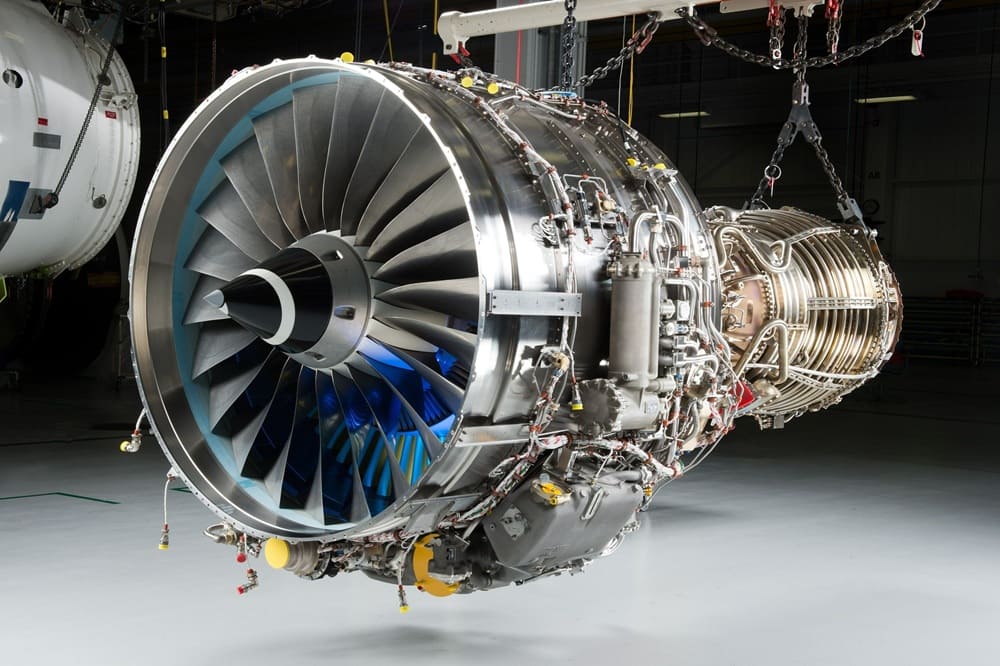 Aerospace Field
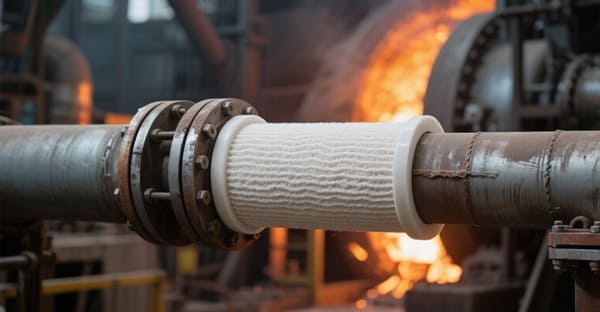 High-Temperature Gas Filtration
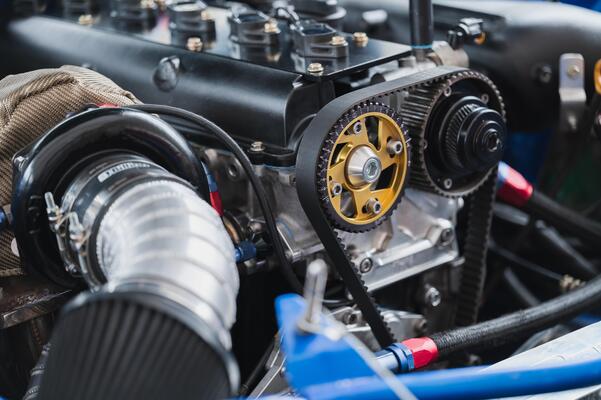 Automotive Industry
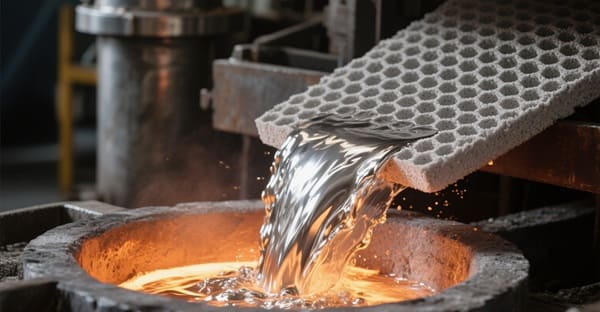 Molten Metal Filtration
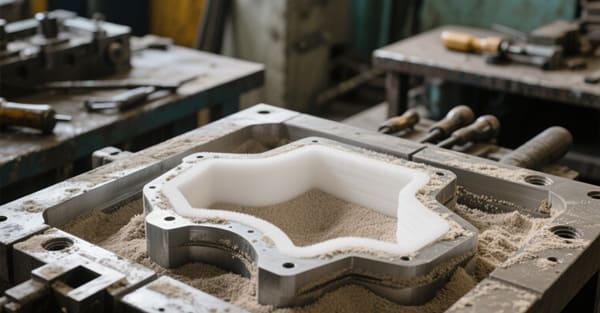 Non-Ferrous Metal Casting
Magnesium Oxide Material Properties
Magnesium Oxide Ceramic Machining
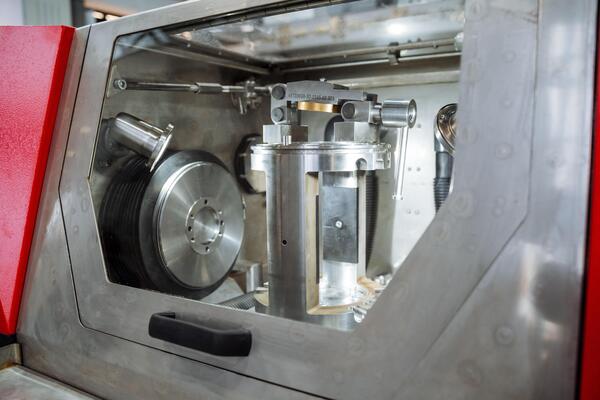
Magnesium oxide can be machined in green or bisque form before sintering, and to a limited extent in its fully sintered state. In its pre-sintered state, the material is relatively soft and easier to shape, but like many ceramics, it undergoes significant shrinkage—up to 20%—during sintering, which can affect final dimensions. Fully sintered magnesium oxide is very hard and brittle, requiring diamond tools and precision equipment for any post-sintering machining.
Machining Methods and Considerations
- Green or Bisque Machining: Easier to cut and form, suitable for complex shapes before firing.
- Sintering Shrinkage: Expect about 15–20% dimensional reduction during sintering, which impacts tolerance control.
- Post-Sintering Machining: Requires diamond grinding tools due to the material’s hardness and brittleness.
- Fragility: Fully sintered MgO is prone to chipping and fracture if not handled with care during machining.
- Tooling and Time: Machining dense MgO ceramics is time-consuming and requires specialized equipment.
Magnesium Oxide Ceramic Packaging
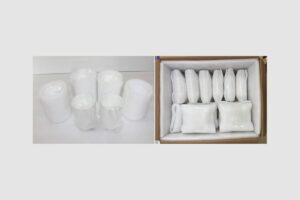
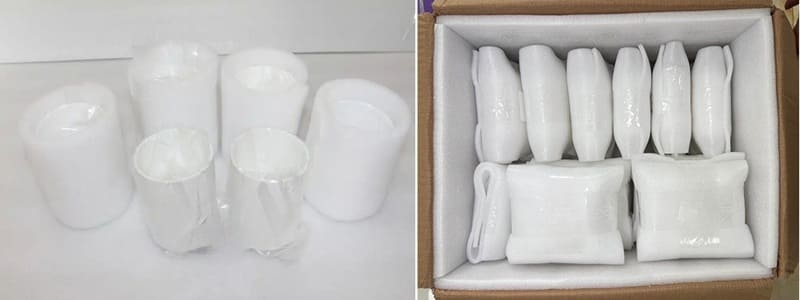
Magnesium oxide ceramic products are typically packaged in vacuum-sealed bags to prevent moisture or contamination and wrapped with foam to cushion vibrations and impacts during transport, ensuring the quality of products in their original condition.
Download
Get A Quote
We will check and get back to you in 24 hours