



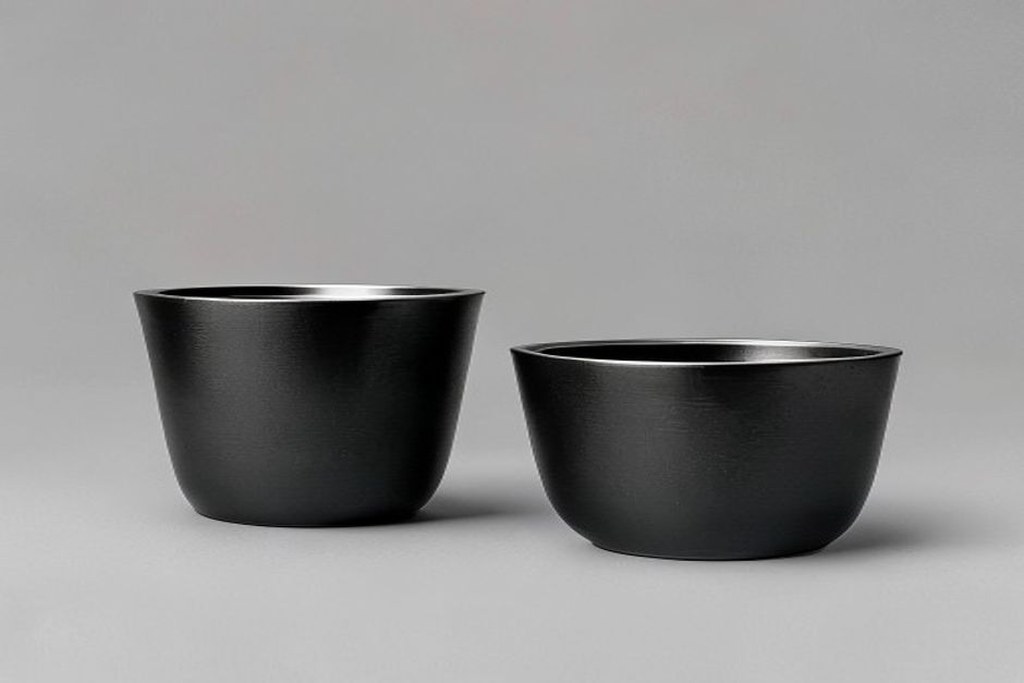
Graphite Crucible
Graphite Crucible Data Sheet
|
Reference Code |
HM2598 |
|
Purity |
≥99.9% |
|
Color |
Dark Gray to Black |
|
Chemical Formula |
C |
|
Material Grades |
Natural Graphite, Synthetic Graphite, Specialty Graphite, Composites Graphite |
|
Density |
1.65–1.95 g/cm³ |
|
Maximum Operating Temperature |
Up to 3000°C (in inert atmosphere) |
|
Thermal Conductivity |
100–200 W/m·K |
Graphite Crucible Description
Graphite Crucible is crafted from high-purity natural graphite, designed to handle extreme heat and aggressive chemical environments. Thanks to its high thermal stability and low thermal expansion, it can endure sudden temperature changes without cracking. Its smooth inner surface minimizes metal adhesion, allowing for easy pouring and higher purity of molten materials. It is an essential tool for smelting metals such as gold, silver, copper, and aluminum in industrial and laboratory settings.
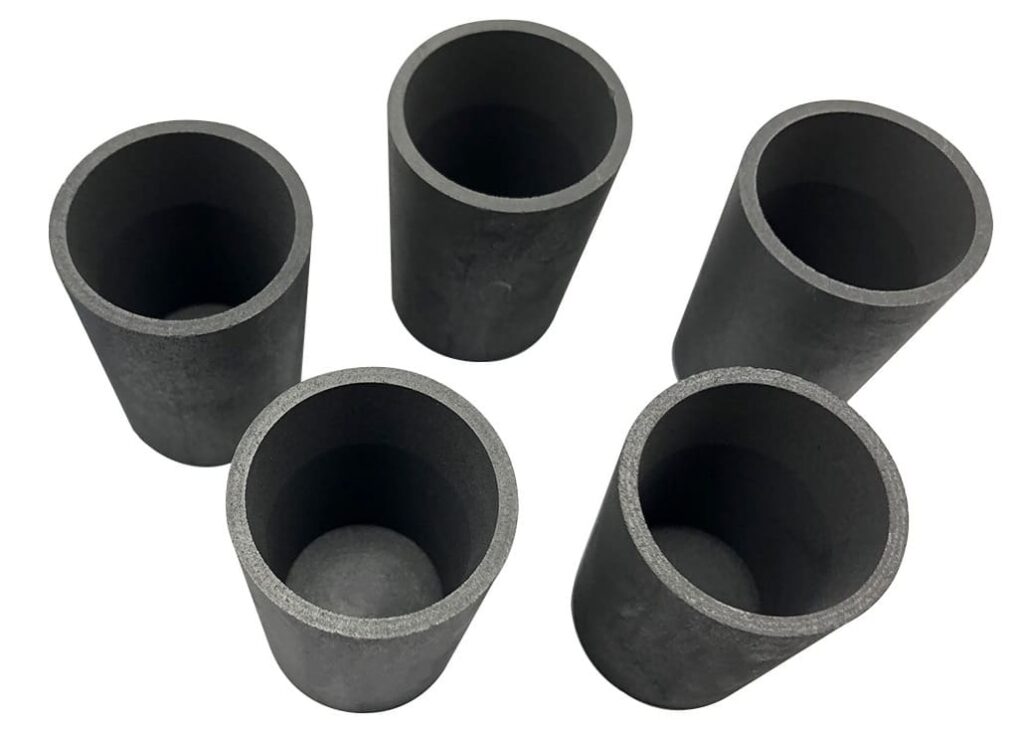
Graphite Crucible Specifications
Graphite Crucible Features
- High Density and Electrical Conductivity: Manufactured with a dense structure, graphite crucibles offer excellent electrical conductivity and stable performance at high temperatures.
- Long Service Life: A special glaze coating and high material density significantly improve corrosion resistance, extending the crucible’s operational lifespan.
- Advanced Graphitization Process: The use of high-purity graphite enhances thermal conductivity and structural strength, making the crucible more reliable under thermal cycling.
- Exceptional Heat Resistance: Capable of withstanding temperatures up to 2760°C (5000°F) or even 3000°C (5472°F) in high-purity grades, suitable for melting a wide range of metals without contamination.
- Outstanding Thermal Performance: Features excellent thermal conductivity, thermal stability, and resistance to thermal shock, ensuring faster melting times and durability.
- Strong Chemical Resistance: Offers superior resistance against acids, alkalis, and corrosive environments, making it ideal for demanding industrial applications.
Graphite Crucible Applications
- Metal Melting: Ideal for melting metals like aluminum, copper, brass, and precious metals, graphite crucibles provide the high heat resistance and thermal conductivity necessary for efficient processing.
- High-Temperature Processes: Widely used in furnaces and other high-temperature applications, graphite crucibles maintain their integrity even under extreme heat, ensuring reliable performance.
- Precious Metal Refining: Graphite crucibles are commonly used in the refining of precious metals such as gold, silver, and platinum, offering excellent corrosion resistance and minimal contamination.
- Casting and Molding: Due to their superior thermal shock resistance, graphite crucibles are frequently employed in the casting and molding of alloys, ensuring high precision and smooth operation.
- Electronics and Semiconductor Industries: Used for processing materials in electronics and semiconductor manufacturing, where high temperatures and stable performance are crucial.
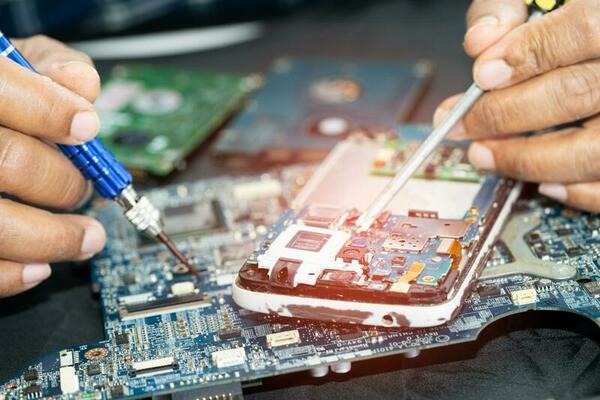
 Electronic Devices
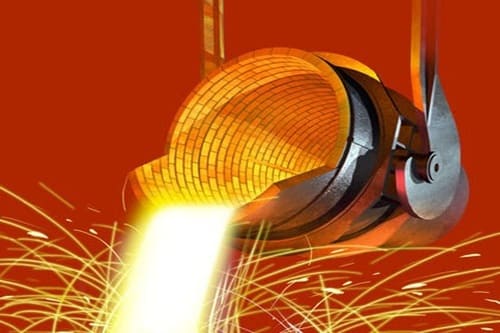
 Metal Smelting
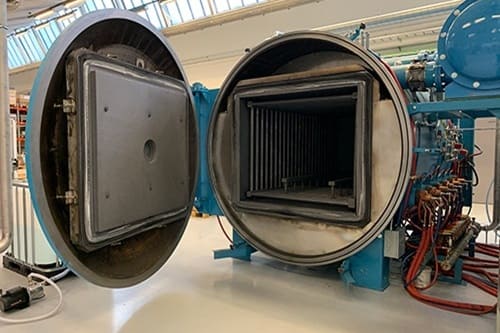
- High-temperature ovens
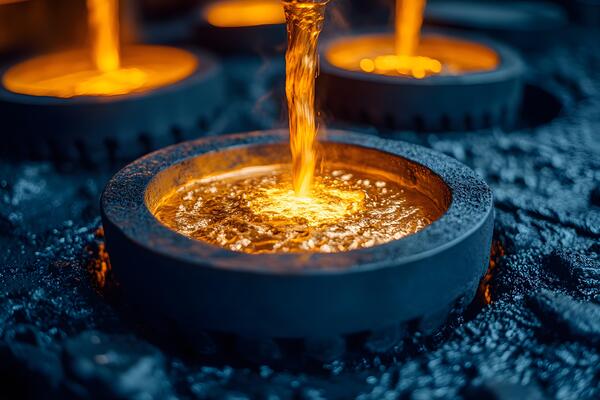
- Casting and Molding
Graphite Material Properties
Boron Carbide Material Grades
Natural graphite is classified into three primary types: amorphous graphite, flake graphite, and vein (lump) graphite. Each type has distinct characteristics and suits different industrial needs.
|
Graphite Type |
Introduction |
Key Properties |
|---|---|---|
|
Amorphous Graphite |
Microcrystalline graphite from metamorphosed coal seams; dull appearance and soft texture. |
– Carbon content: 60–85% |
|
Flake Graphite |
Layered graphite formed in metamorphic rocks; shiny with metallic luster. |
– Carbon content: 85–99% |
|
Vein (Lump) Graphite |
Hydrothermally formed graphite with the highest purity and conductivity. |
– Carbon content: 90–99% |
Synthetic graphite is produced through the high-temperature treatment of carbonaceous materials. It offers more controlled properties compared to natural graphite, such as higher purity, better uniformity, and specific performance advantages for different industrial applications. Common types include biographite, die-molded graphite, extruded graphite, isostatic graphite, and vibration-molded graphite.
|
Graphite Type |
Introduction |
Key Properties |
|---|---|---|
|
Biographite |
Derived from biological materials through carbonization. |
– Carbon content: 80–95% |
|
Die-Molded Graphite |
Compacted carbon powders molded and graphitized. |
– High density and strength |
|
Extruded Graphite |
Extruded carbon material with directional grain structure. |
– High carbon content >99% |
|
Isostatic Graphite |
Produced by isostatic pressing for uniform properties. |
– Ultra-high purity >99.99% |
|
Vibration-Molded Graphite |
Graphite formed by vibration compaction. |
– High carbon content >99% |
Specialty graphite encompasses a wide range of engineered graphite materials designed to meet the demanding requirements of various industries. Each grade is uniquely processed or modified to enhance specific properties such as thermal conductivity, chemical resistance, structural strength, or electrical performance. These materials are critical across fields like energy storage, electrical discharge machining, nuclear technology, and high-temperature processing. Whether achieved through purification, impregnation, or advanced deposition techniques, specialty graphite grades offer targeted solutions where ordinary graphite would not suffice.
|
Grade |
Key Properties |
Applications |
|---|---|---|
|
Battery-Grade Graphite |
High purity (>99.95%), electrochemical stability, low surface area, spherical/flake particles (5–20 μm) |
Lithium-ion batteries, energy storage systems |
|
EDM Graphite |
Fine grain (2–10 μm), high electrical conductivity, lightweight, erosion resistance, thermal conductivity |
Electrical discharge machining (EDM) |
|
Flexible Graphite |
Highly flexible, thermal conductivity (150–300 W/m·K), chemical resistance, compressibility, wide temp range |
Gaskets, seals, EMI shielding, thermal management |
|
Metal-Impregnated Graphite |
Enhanced thermal and electrical conductivity, corrosion resistance, mechanical strength, wear resistance |
Bearings, seals, chemical processing equipment |
|
Nuclear-Grade Graphite |
High density (>1.70 g/cm³), low neutron absorption, thermal stability, radiation resistance, low porosity |
Nuclear reactors (moderators, reflectors, shielding) |
|
Pyrolytic Graphite |
Highly anisotropic, in-plane conductivity, EMI shielding, chemical resistance, high density (≈2.20 g/cm³) |
Electronics, aerospace, medical devices |
|
Refractory Graphite |
Abrasion and thermal shock resistance, chemical stability, oxidation resistance (coated), low thermal expansion |
Metallurgy, ceramic industry, chemical reactors |
|
Resin-Impregnated Graphite |
Chemical resistance, improved strength, reduced porosity, oxidation resistance, lower conductivity |
Pumps, mechanical seals, chemical handling equipment |
Graphite composites combine graphite with other materials like carbon, fibers, resins, or metals to enhance and balance their properties for specific high-performance applications. These composites retain graphite’s natural benefits such as lubricity, conductivity, and thermal stability while improving strength, wear resistance, or structural rigidity. Widely used across industries like aerospace, metallurgy, electronics, and chemical processing, graphite composites offer excellent solutions for demanding environments where traditional materials may fail.
|
Property |
Carbon-Graphite |
Graphite-Fiber Composites |
|---|---|---|
|
Wear Resistance |
High, effective in high-friction applications |
Good, with strong fatigue and impact resistance |
|
Strength |
High strength and rigidity |
Exceptional tensile strength and high stiffness |
|
Density |
Lightweight due to low density |
Very low density for critical weight reduction |
|
Thermal Stability |
Operates up to 3000°C in inert environments |
Maintains integrity at high temperatures |
|
Thermal Conductivity |
Moderate to high, depending on constituents |
High, enabling excellent heat dissipation |
|
Electrical Conductivity |
Good, suitable for EDM and electrodes |
Moderate, useful for EMI shielding |
|
Chemical Resistance |
Resistant to acids, alkalis, and organic solvents |
Inert to most chemicals, moisture, and UV |
|
Friction Properties |
Self-lubricating, low friction even at extreme temperatures |
High fatigue resistance, low thermal expansion |
|
Oxidation Resistance |
Limited, but can be enhanced with coatings |
Stable in non-oxidizing environments |
|
Applications |
Metallurgy, EDM electrodes, high-temperature parts |
Aerospace, structural composites, electronics |
Graphite Ceramic Machining
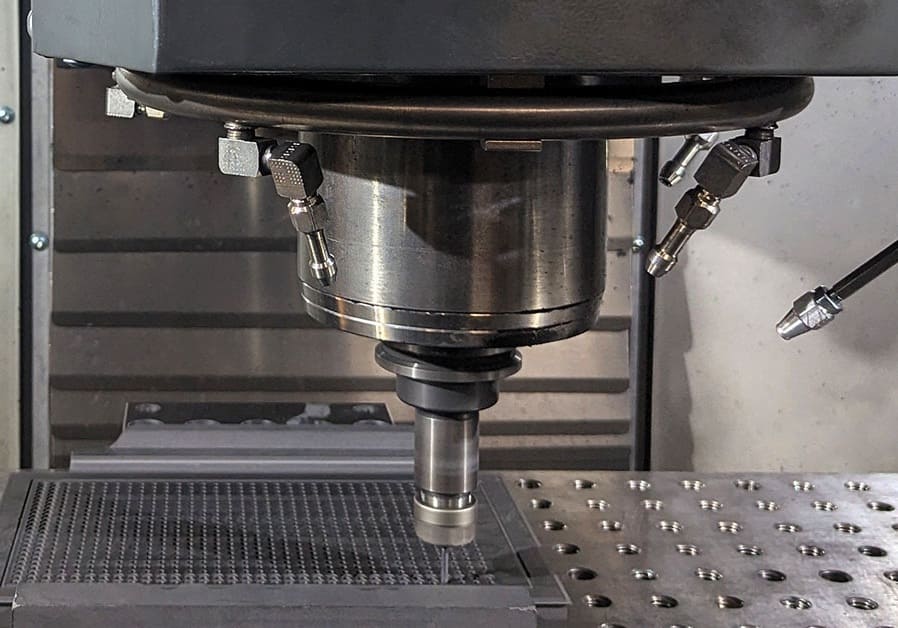
Graphite is a synthetic ceramic material made from crystalline carbon, offering exceptional thermal conductivity, high thermal resistance, low porosity, and stability at extreme temperatures. These properties make it essential for high-heat applications like casting, metallurgy, and electronics. However, machining graphite requires specialized techniques due to its unique characteristics: it is brittle and can produce fine particles and fissures during processing. Graphite does not deform under cutting forces like metals, demanding precise handling to maintain dimensional accuracy and surface integrity. Common machining methods include:
- CNC Machining: Computer-controlled drilling, milling, and grinding are widely used for creating complex graphite parts with tight tolerances.
- Diamond Grinding: Diamond tools are applied to achieve smooth finishes and precise shapes while minimizing particle generation.
- Sawing: Specialized saws are used for cutting graphite blocks into specific sizes or rough shapes before finer machining.
- Drilling: Custom graphite drilling requires careful speed and feed control to avoid cracks and achieve clean holes.
- Milling: High-speed milling with carbide or diamond-coated tools is utilized to produce detailed profiles and cavities.
- Surface Finishing: After primary shaping, additional grinding or polishing ensures the required surface finish for technical applications.
Graphite Ceramic Packaging
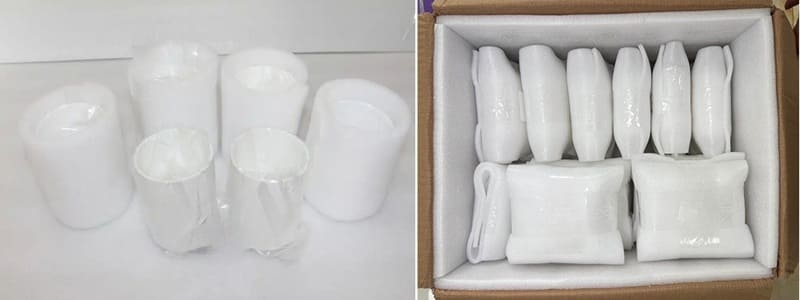
Graphite ceramic products are typically packaged in vacuum-sealed bags to prevent moisture or contamination and wrapped with foam to cushion vibrations and impacts during transport, ensuring the quality of products in their original condition.
Download
Get A Quote
We will check and get back to you in 24 hours