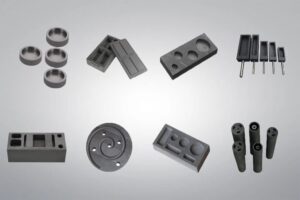




Silicon Nitride Substrate
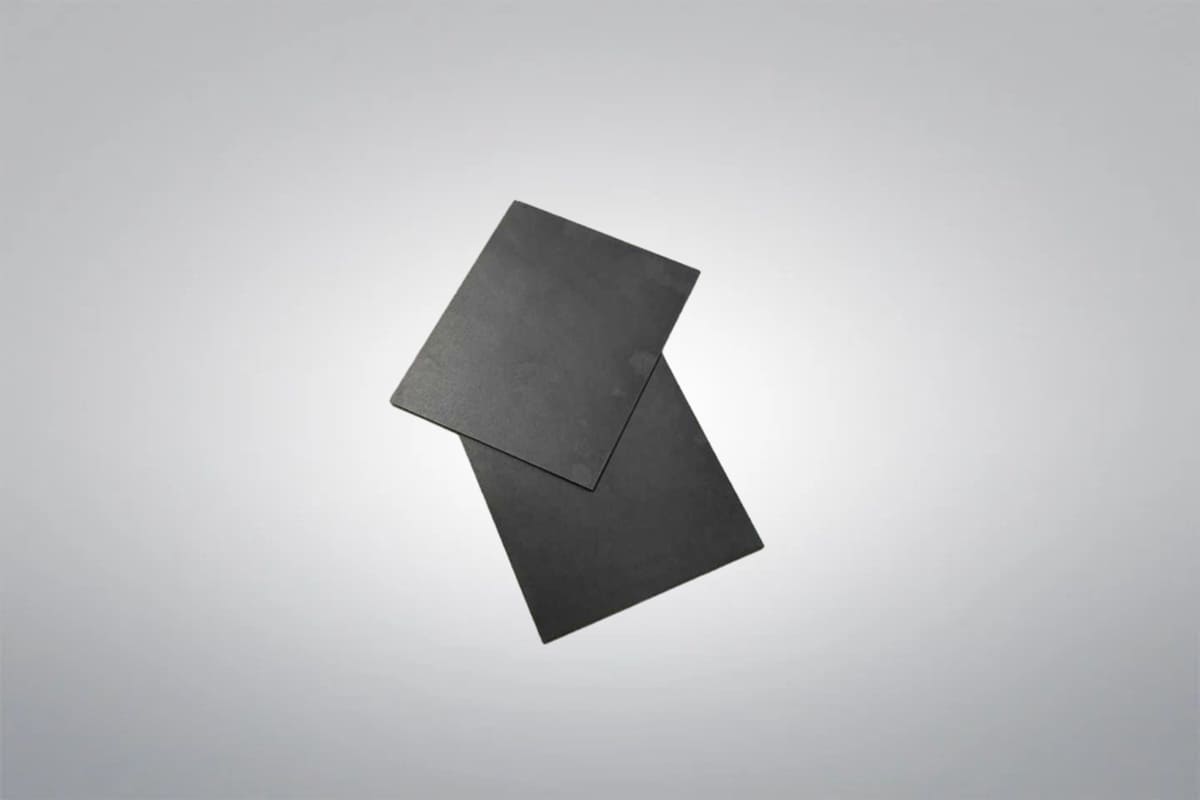
Silicon nitride substrate data sheet
|
Reference code: |
HM2560 |
|
Purity: |
≥99% |
|
Color: |
Black-gray |
|
Chemical formula: |
Si3N4 |
|
Material grades: |
HMSN1000, HMSN2000, HMSN3000, HMSN4000 |
|
Density: |
3.20 g/cm3 |
Description of the silicon nitride substrate
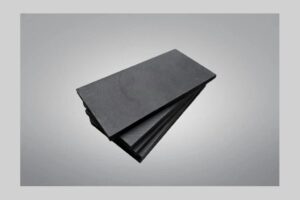
Silicon nitride substrate is a high-performance material designed for advanced applications in the electronics and semiconductor industries. Known for its exceptional thermal stability, high strength, and excellent electrical insulation properties, this substrate is ideal for use in devices requiring efficient heat dissipation and reliable electrical insulation. It is sintered at high temperatures to achieve a dense structure, ensuring durability in demanding environments. Silicon nitride substrates are commonly used in power electronics, high-temperature sensors, and as substrates for third-generation semiconductors, where heat management and electrical insulation are crucial.
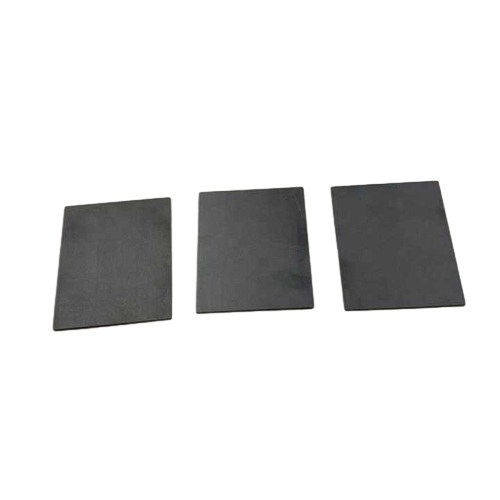
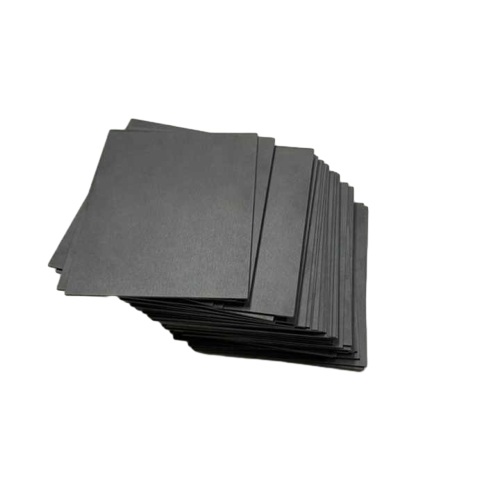
Silicon nitride substrate specifications
| Product | Thickness | Length×Width |
| Si3N4 substrate | 0.254 mm | 190.0×138.0 mm (±1%) |
| 0.320 mm | ||
| 0.635 mm | ||
| 1,000 mm | 114.3×114.3 mm (±1%) |
Characteristics of the silicon nitride substrate
- High thermal conductivity: Offers excellent heat dissipation performance, with values up to 70 W/mK, significantly higher than traditional alumina substrates .
- Thermal expansion compatibility: The coefficient of thermal expansion (3.1×10-⁶/°C) is very similar to that of silicon chips, reducing thermal stress and improving reliability.
- Superior mechanical strength: Provides twice the flexural strength of alumina substrates, making it more resistant to cracking under mechanical load.
- Exceptional electrical insulation: Maintains high insulation resistance and low dielectric loss, ideal for high voltage and high frequency applications.
- Excellent thermal shock resistance: Can withstand rapid temperature cycles from 0 to 200 °C for thousands of cycles without degrading.
- Chemical and oxidation resistance: Resists acids, alkalis and oxidation, ensuring a lifespan of up to 10 years in harsh environments.
- Good metallization compatibility: Supports multilayer circuits and miniaturized packaging and is suitable for compact and integrated designs.
Applications of silicon nitride substrate
- Power electronics: Used as substrates for IGBT and MOSFET modules, they offer effective heat dissipation and electrical insulation in high-power applications.
- Automotive electronics: Ideal for electric vehicle inverters, LED control units and ECU systems thanks to its thermal stability and mechanical strength.
- Aerospace systems: Supports highly reliable electronic components that must withstand extreme thermal and mechanical stresses.
- Renewable energy equipment: Applied in wind turbines and solar inverters, where long-term thermal cycling and electrical insulation are critical.
- Industrial automation: Integrated into control and drive systems that require durable and heat-resistant circuit substrates.
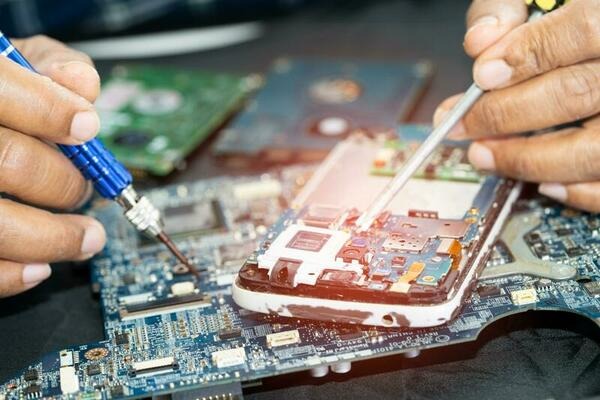 Electronic devices
 OLED Displays
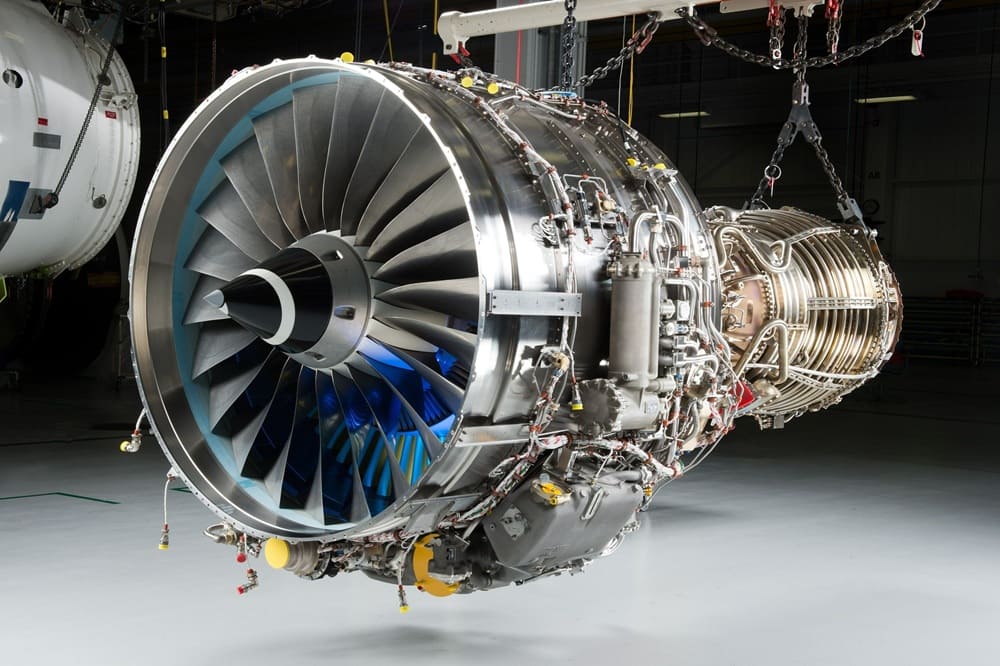 Aerospace Field
 New energy industry
Silicon Nitride Material Properties
Silicon Nitride Material Grades
HMSN1000 is produced through a gas over-pressure sintering technique, which is widely recognized for enabling the manufacture of high-strength silicon nitride parts with intricate shapes. The process starts with a silicon nitride powder blend that includes sintering additives—such as yttria, magnesium oxide, or alumina—to create a liquid phase during sintering, as well as binders to enhance the structural integrity of the pre-sintered form. After shaping the powder into the desired geometry and performing any necessary green machining, the components are densified in a nitrogen-pressurized furnace. This environment ensures proper consolidation while minimizing material loss due to evaporation or decomposition of silicon, nitrogen, and the additive elements.
Common Uses
- Components for aerospace systems
- Rolling and sliding elements in bearing units
- High-durability parts for internal combustion engines
- Tools and accessories for casting and metal processing
- Structural parts in mechanical assemblies
- Biocompatible elements for medical devices
HMSN2000 is manufactured using a hot pressing technique, where silicon nitride powder is compacted under high pressure and elevated temperature simultaneously. This method relies on specialized equipment, including precision dies and uniaxial presses. The result is a dense ceramic with outstanding strength and durability. However, the process is best suited for forming basic geometries due to the limitations of the equipment. Since components cannot be machined in the pre-sintered (green) state, all post-processing must be done through diamond grinding, which is both time-consuming and costly. As a result, this method is generally reserved for small-scale production of straightforward parts where premium material performance is required.
Common Uses
- Structural parts in aircraft and spacecraft systems
- Equipment and piping components in chemical processing industries
- Friction-resistant elements for engines
- Tools and wear parts used in metal casting environments
- Load-bearing and precision parts in industrial machinery
- Specialized pieces in medical and dental instruments
HMSN3000 utilizes the Hot Isostatic Pressing (HIP) process, where silicon nitride powder is compacted under both high pressure and high temperature. The material is placed in a chamber that is pressurized with inert gas, subjecting the component to uniform pressure from all sides at up to 2000 bar while it is simultaneously heated. This method helps to remove any residual porosity or defects during the sintering process, resulting in a material with a density close to its theoretical maximum. While HIP significantly improves the mechanical properties, durability, and overall reliability of the material, the high cost and complexity of the process limit its use to highly specialized applications.
Common Uses
- Components for aerospace and defense industries
- Precision bearing applications, especially in high-performance environments
- Equipment and components in chemical processing and industrial plants
- Engine parts subjected to extreme wear and thermal stress
- Foundry tools and wear-resistant components
- High-performance parts for mechanical engineering systems
- Medical components requiring high strength and biocompatibility
HMSN4000 is produced through an extruded gas over-pressure sintering process, where silicon nitride powder is blended with sintering additives, such as yttria, magnesium oxide, and/or alumina, to facilitate liquid-phase sintering. Additionally, binders are incorporated to enhance the mechanical properties of the green ceramic structure. The extrusion process helps form the material into the desired shape, and the parts are then subjected to gas over-pressure sintering in a controlled environment. This method ensures uniform density and superior mechanical performance, making it ideal for high-performance applications.
Common Uses
- Aerospace industry components
- Bearings used in high-performance machinery
- Equipment for chemical plants and industrial processing
- Wear-resistant parts for engines
- Components used in foundry operations
- Parts for mechanical engineering systems
- Medical-grade components for high-precision instruments
Silicon Nitride Ceramic Machining
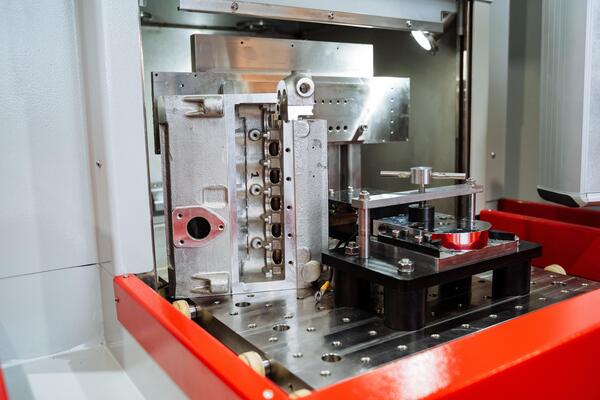
Silicon nitride can be machined in green, biscuit, or fully sintered forms, each with different machining properties. In green or biscuit states, it is easier to shape into complex forms, but the material shrinks about 20% during sintering, affecting dimensional accuracy. For tight tolerances, fully sintered silicon nitride must be machined using diamond tools, a precise but costly process due to the material’s hardness and toughness.
Machining Methods and Considerations:
- Green or Biscuit Machining: Easier to machine into complex shapes but lacks final dimensional accuracy.
- Sintering Shrinkage: The material shrinks approximately 20% during the sintering process, affecting post-sintering dimensions.
- Tight Tolerances: For precise dimensions, post-sintered material must be machined using diamond tools.
- Diamond Grinding: This technique involves the use of diamond-coated tools or wheels to abrade the material and achieve the desired shape.
- Cost and Time: Machining fully dense silicon nitride is a slow, expensive process due to the hardness and toughness of the material.
Silicon Nitride Ceramic Packaging
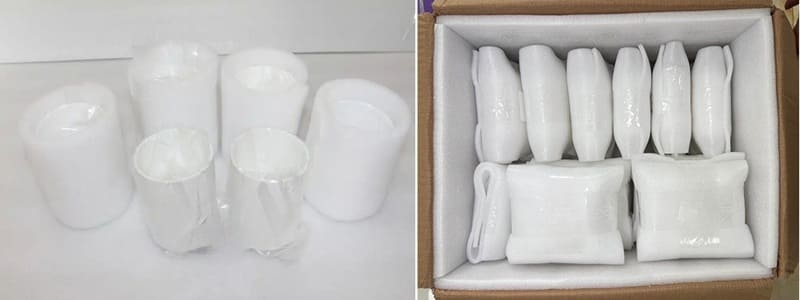
Silicon nitride ceramic products are typically packaged in vacuum-sealed bags to prevent moisture or contamination and wrapped with foam to cushion vibrations and impacts during transport, ensuring the quality of products in their original condition.
Download
Get A Quote
We will check and get back to you in 24 hours