



Alumina Foam
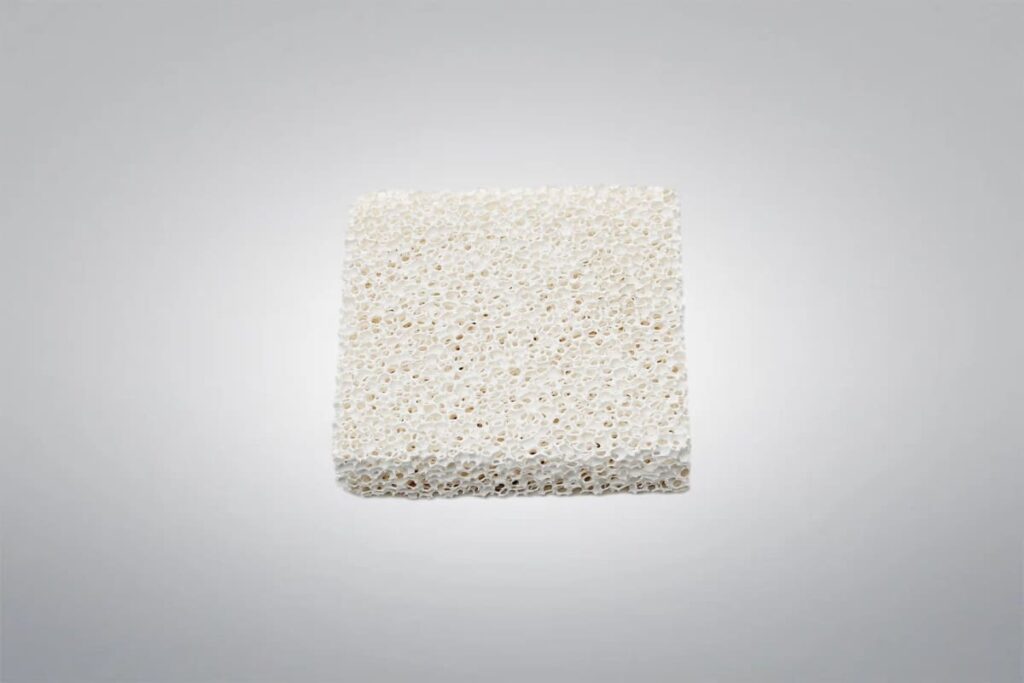
Alumina Foam
Or email us at sales@advceramicshub.com.
Alumina Foam Data Sheet
Alumina Foam Description
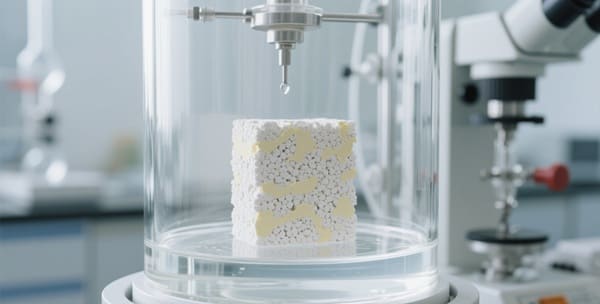
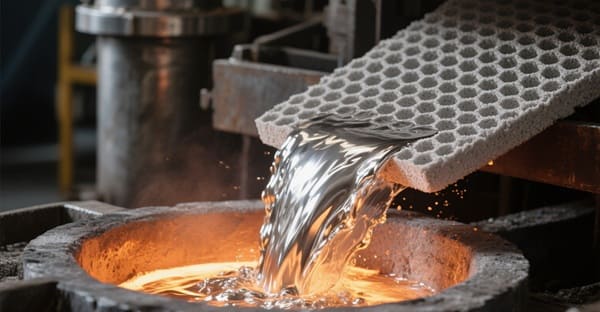
Alumina (Al2O3) Ceramic Foam Filter offers excellent thermal stability, chemical resistance, and filtration efficiency, making it a trusted choice for removing inclusions from molten aluminum and its alloys. These filters are available in various sizes and pore densities to suit different casting methods, including continuous, semi-continuous, and sand casting. Their open-cell structure promotes smooth metal flow while trapping oxides, slag, and non-metallic inclusions. In addition to aluminum casting, alumina foam is also used in gas purification, heat insulation, and catalytic support applications.
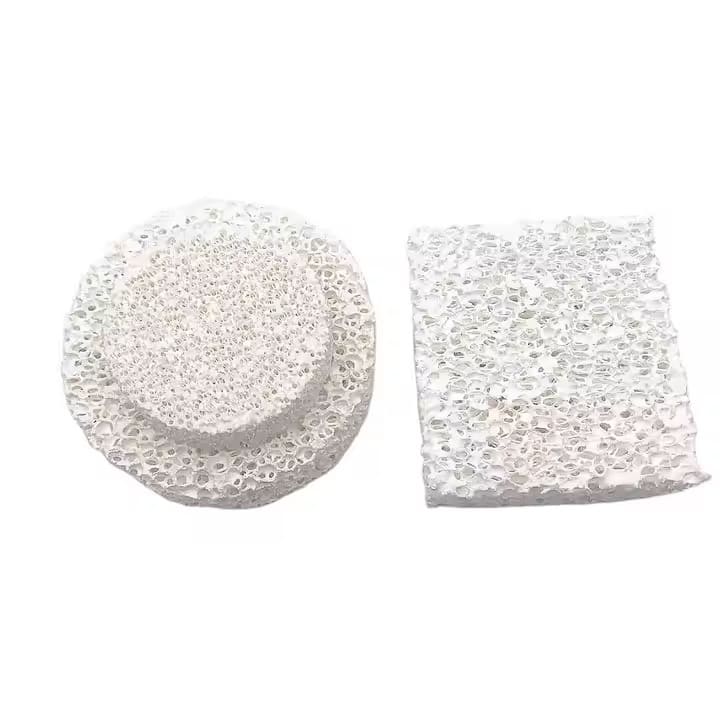
Alumina Foam Specification
|
Specification |
Ceramic Filter Radius (R) |
Ceramic Filter Height (H) |
Edge Thickness (T) |
|
Φ40×20 |
20 |
20 |
2 |
|
Φ50×20 |
25 |
20 |
2 |
|
Φ65×20 |
32.5 |
20 |
2 |
|
Φ80×20 |
40 |
20 |
2 |
|
Φ100×20 |
50 |
20 |
2 |
|
Φ40×25 |
20 |
25 |
2 |
|
Φ50×25 |
25 |
25 |
2 |
|
Φ65×25 |
32.5 |
25 |
2 |
|
Φ80×25 |
40 |
25 |
2 |
|
Φ100×25 |
50 |
25 |
2 |
Note:
- Restrictions: Depth greater than 5mm of missing angles/edges or deformation with curvature exceeding 2mm is not allowed.Advantages
- Custom Dimensions: Sizes can be customized to specific requirements.
- Tolerances: Ceramic filter radius R tolerance is 0.75–0.25, height H tolerance is 1.5–0.5, and edge thickness T tolerance is 0.5–0.5.
Alumina Foam Usage Precautions
- It is recommended to use an open pouring system to prevent air entrapment.
- Avoid the direct impact of molten metal on the filter. If unavoidable, the pouring height should not exceed 300mm.
- Preheat the filter together with the riser or pouring spout to prevent the steel liquid from solidifying and blocking the filter.
- Before usage, remove surface slag from the filter with air blowing.
Alumina Foam Advantages
- Excellent Thermal Shock Resistance: Alumina foam maintains its structural integrity under rapid temperature changes, making it ideal for high-temperature metal filtration environments.
- High Porosity and Filtration Efficiency: The open-cell structure allows for effective removal of inclusions and impurities from molten metals, improving the final product’s mechanical and surface properties.
- Superior Chemical Stability: Resistant to corrosion and chemical attack from molten aluminum and its alloys, ensuring long service life and consistent performance.
- Lightweight and Durable: Despite its robust structure, alumina foam is lightweight, easy to handle, and install, reducing maintenance and operational costs.
- Multifunctional Applications: Beyond metal filtration, it can also be used for gas dispersion, catalyst carriers, thermal insulation, and sound absorption in various industrial processes.
Alumina Foam Applications
- Molten Metal Filtration: Used extensively in the filtration of molten aluminum and its alloys during casting processes to remove inclusions and improve product quality.
- High-Temperature Gas Filtration: Ideal for filtering hot gases in metallurgy and chemical industries due to its thermal stability and corrosion resistance.
- Catalyst Carrier: Serves as an efficient carrier for catalysts in petrochemical and environmental applications, offering high surface area and chemical inertness.
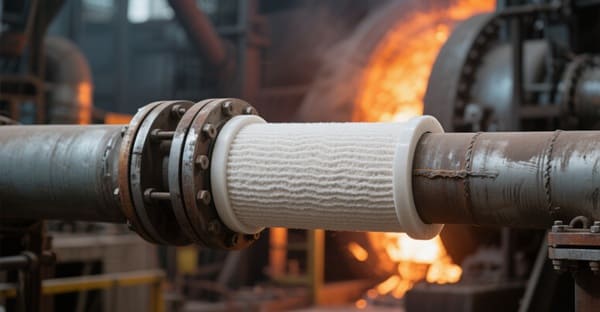
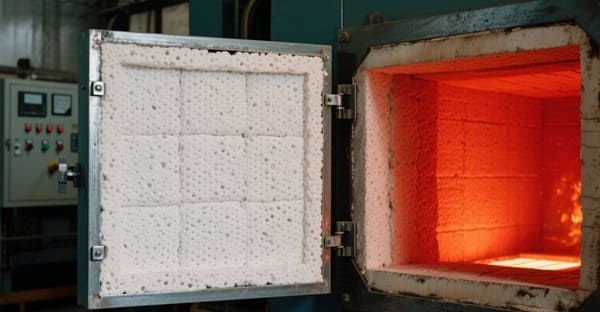
- Sound Absorption and Thermal Insulation: Applied in industrial furnaces and engines to absorb sound and provide thermal insulation in extreme conditions.
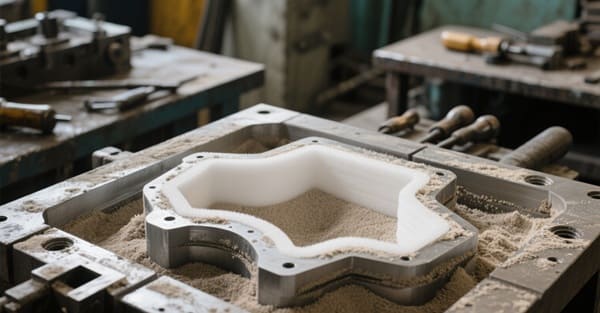
- Non-Ferrous Metal Casting: Utilized in precision casting of non-ferrous metals to ensure smooth surface finishes and enhance structural integrity of final products.
Alumina Material Properties
Alumina Ceramic Packaging
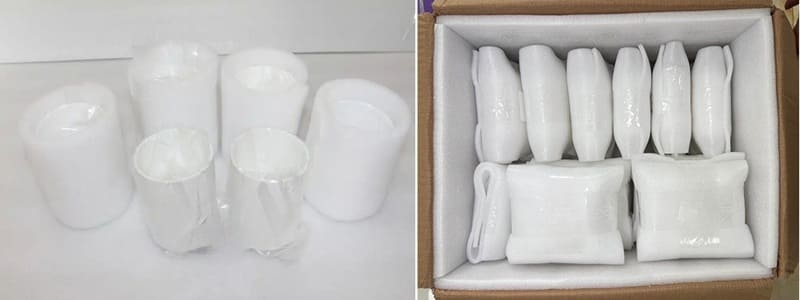
Alumina Ceramic products are typically packaged in vacuum-sealed bags to prevent moisture or contamination and wrapped with foam to cushion vibrations and impacts during transport, ensuring the quality of products in their original condition.
Download
Get A Quote
We will check and get back to you in 24 hours