


The Role of Aluminum Oxide Ceramics in Automotive Manufacturing
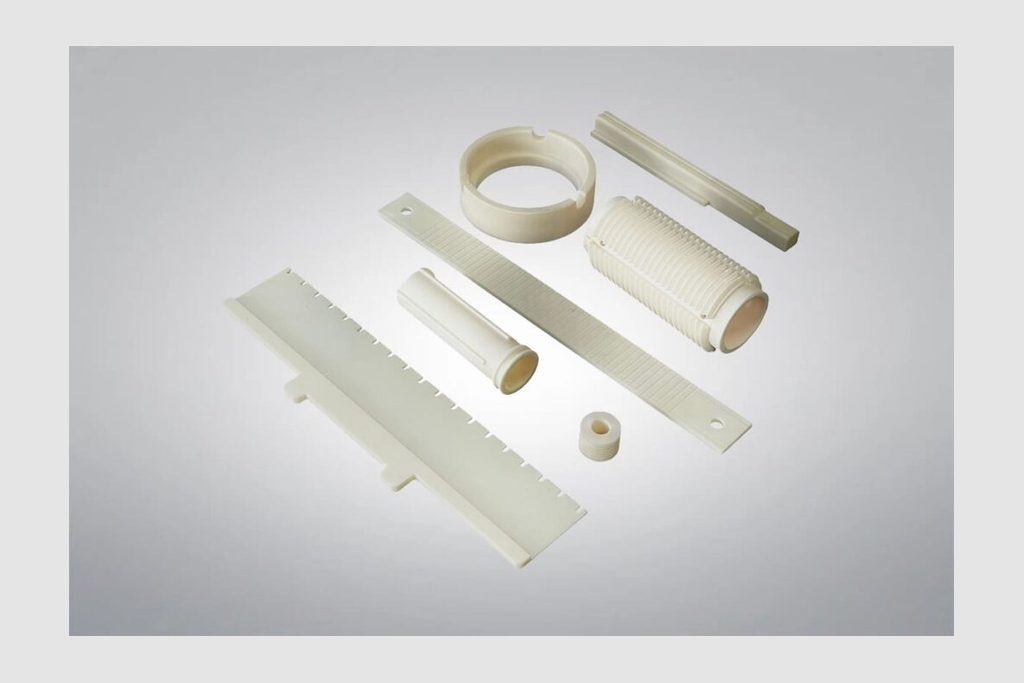
Quick Answer: Aluminum oxide ceramics (Al₂O₃) are used throughout modern vehicles because they handle extreme heat, resist wear, insulate electrical systems, and outlast most metals and polymers in harsh operating conditions.
This article covers the key roles Al₂O₃ ceramics play in automotive manufacturing, from engine components and emission control systems to EV battery packs and sensor housings. It also breaks down the material’s physical and mechanical properties, compares it with competing materials, and looks at the challenges and future direction of alumina in the automotive sector.
At Advanced Ceramics Hub, we supply high-purity alumina ceramics with custom specifications and technical support for industrial and research applications.
What Is Aluminum Oxide Ceramic?
Aluminum oxide (Al₂O₃), also called alumina ceramic, is a technical ceramic material known for a rare combination of physical and chemical properties. It sits at approximately 9 on the Mohs hardness scale, which puts it close to diamond in terms of surface hardness. That alone makes it one of the most wear-resistant materials available for mechanical components.
Beyond hardness, alumina ceramics offer excellent thermal insulation, electrical insulation, and resistance to chemical attack. They remain stable at temperatures up to 1700°C, far beyond what most metals or engineering polymers can tolerate. These qualities make them a go-to choice for applications where parts must survive heat, friction, and chemical exposure at the same time.
Key properties at a glance:
- High hardness (Mohs ~9)
- Exceptional wear and corrosion resistance
- Excellent thermal and electrical insulation
- High melting point (~2050°C)
- Chemical stability in harsh environments
These attributes make alumina suitable for demanding applications in combustion engines, braking systems, electronics, and emission control systems.
Aluminum Oxide Ceramic Properties by Purity Grade
Different purity grades of Al₂O₃ are suited to different automotive applications. Higher purity grades offer better dielectric strength and thermal performance, while mid-range grades provide a cost-effective balance for general-use components.
| Purity Grade | Density (g/cm³) | Hardness (GPa) | Flexural Strength (MPa) | Thermal Conductivity (W/m·K) | CTE (×10⁻⁶/K) | Dielectric Strength (kV/mm) | Max Temp (°C) | Automotive Application Notes |
|---|---|---|---|---|---|---|---|---|
| 99.95% | 3.98 | 20 | 600 | 35 | 7.5 | >15 | 1700 | Advanced high-voltage insulators, high-temp sensor housings, engine electronics support bases |
| 99.7% | 3.95 | 19 | 550 | 30 | 7.6 | >13 | 1650 | Spark plug insulators, precision thermal isolators, hybrid module substrates |
| 99.5% | 3.93 | 18 | 500 | 28 | 7.6 | >12 | 1600 | Valve seats, thermal sleeves, and control unit insulation parts |
| 99% | 3.90 | 17.5 | 450 | 25 | 7.7 | >11 | 1550 | Sensor covers, heat shields, and structural support insulators |
| 96% | 3.80 | 16 | 400 | 22 | 7.8 | >10 | 1500 | Engine spacers, EGR valve insulation, and general high-temp components |
| 95% | 3.78 | 15 | 350 | 20 | 8.0 | >9 | 1500 | Budget-grade high-temp bushings, brackets, and simple support fixtures |
Request a custom quote for alumina ceramics
Why Are Aluminum Oxide Ceramics Ideal for Automotive Manufacturing?
Alumina ceramics stand out in automotive manufacturing because they address several performance demands at once. Few materials combine high-temperature resistance, chemical stability, and electrical insulation in a single package, and that combination is exactly what modern vehicles require.
High-Temperature Resistance
Aluminum oxide ceramics maintain their structure even under extreme heat, making them ideal for components near or inside the engine, exhaust manifolds, or turbocharger systems. With maximum service temperatures up to 1700°C, they resist thermal deformation far better than most metals or polymers used in automotive systems.
Corrosion Resistance
In modern vehicles, materials face constant exposure to road salts, moisture, fuel residues, and reactive gases. Aluminum oxide’s chemical inertness allows it to resist corrosion from acids, alkalis, and high-temperature oxidizing environments, which is critical for long-term reliability in harsh driving conditions.
Mechanical Strength and Wear Resistance
The high hardness and flexural strength of alumina ceramics provide excellent wear resistance, even under dynamic stress. This makes them suitable for demanding parts such as seals, valves, bearings, and sensor protection elements where durability and dimensional stability are non-negotiable.
Lightweight Efficiency
Despite their strength, aluminum oxide ceramics are lightweight compared to metals. This supports vehicle weight reduction, an ongoing priority in automotive design for improving fuel economy, cutting emissions, and improving handling. Components like thermal insulators and electronic substrates benefit from both strength and mass savings.
Applications of Aluminum Oxide Ceramics in the Automotive Industry
How Are Alumina Ceramics Used in Engine Components?
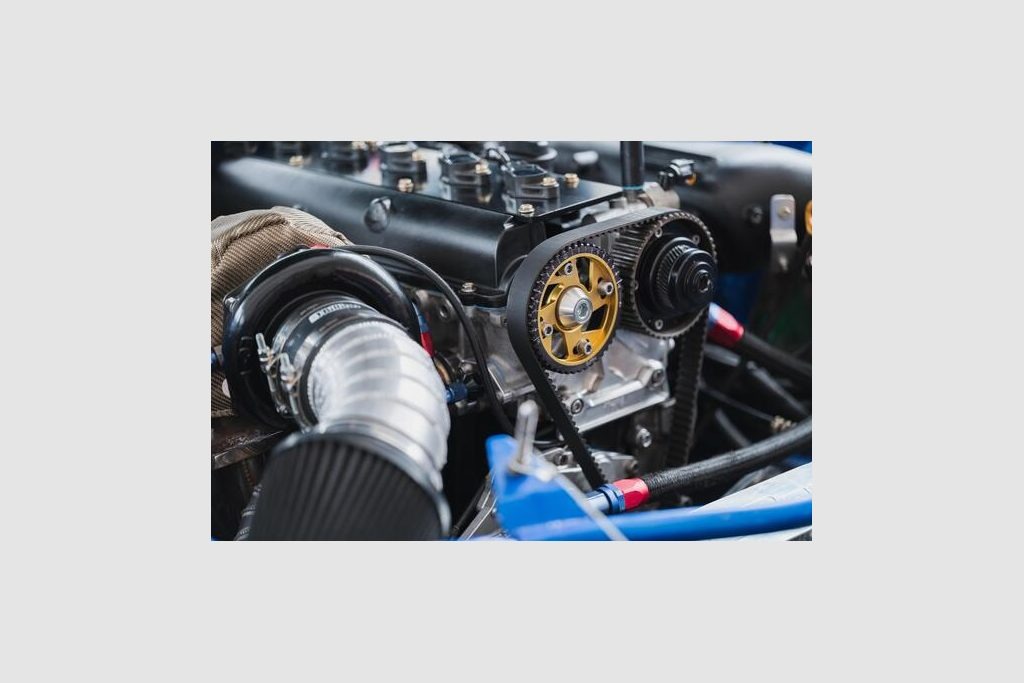
Alumina ceramics are used in spark plug insulators, fuel injector nozzles, and glow plugs across both petrol and diesel engine systems. They handle high combustion temperatures while insulating electrical currents in ignition circuits. Because they resist both heat and chemical attack, they extend service life and improve ignition reliability compared to metal alternatives.
How Do Alumina Ceramics Support Emission Control Systems?
In diesel engines, aluminum oxide substrates are used in Diesel Particulate Filters (DPFs) and catalytic converters to support catalyst materials such as platinum (Pt) and palladium (Pd) for NOₓ and particulate reduction. The material holds up to repeated thermal cycling without cracking or losing structural integrity, which keeps emission control systems working consistently over the vehicle’s lifespan.
Electronic Modules and Sensor Housings
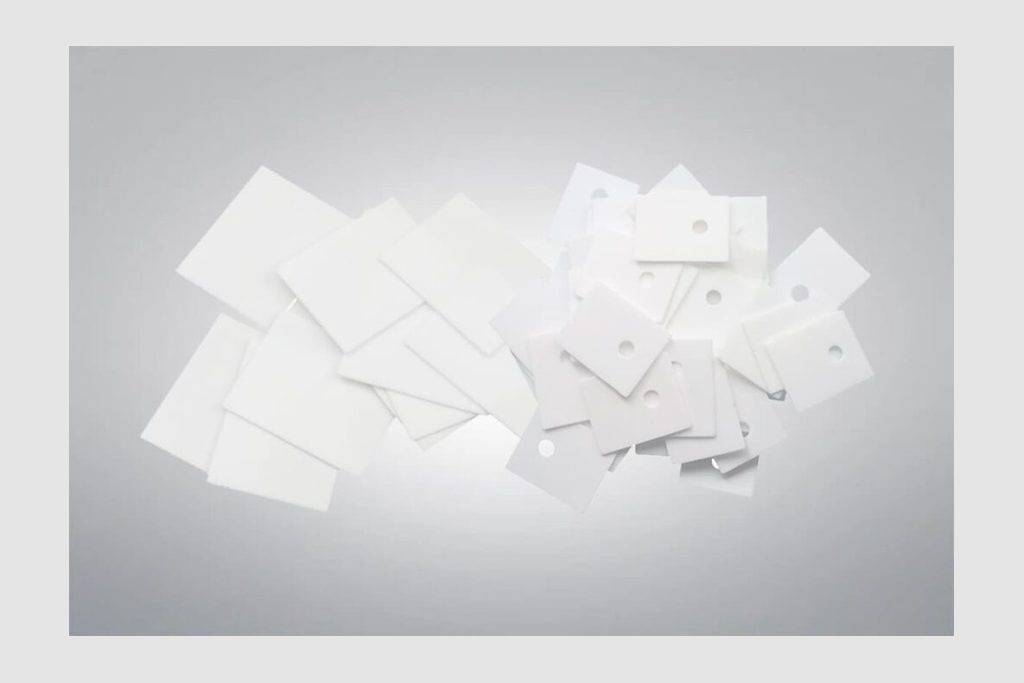
Alumina ceramics serve as substrates for printed circuits and housings for pressure, speed, and temperature sensors. Their electrical insulation and thermal management properties make them well suited to environments where sensitive electronics must operate reliably under vibration, heat, and chemical exposure. This ensures accurate sensor readings and stable long-term performance.
Brake and Transmission Systems
Aluminum oxide is used in wear-resistant sealing rings, valves, and control sleeves in braking and transmission components, particularly where high pressures and friction are involved. Its hardness reduces surface wear significantly, which extends maintenance intervals and lowers the overall cost of ownership for fleet and commercial vehicles.
Electric Vehicle Battery Systems
In electric vehicles (EVs), Al₂O₃ is increasingly used as a thermal barrier and electrical insulator in battery pack components. As battery systems generate significant heat during charge and discharge cycles, alumina helps manage that heat while maintaining electrical separation between cells. This improves both safety and energy efficiency in EV battery packs.
Advantages of Using Aluminum Oxide Ceramics in Automotive Manufacturing
Aluminum oxide ceramics bring measurable performance and sustainability benefits to automotive applications. Their combination of mechanical, thermal, and chemical properties helps manufacturers improve vehicle reliability while reducing environmental impact and long-term operating costs.
- Enhanced Vehicle Performance: Improved durability, structural stability, and operational safety in demanding under-hood and drivetrain environments.
- Reduced Maintenance Costs: Long-lasting wear and corrosion resistance reduce the need for frequent part replacements or repairs, cutting total lifecycle costs.
- Environmental Sustainability: Alumina is derived from abundant raw materials, has high recyclability, and leaves a minimal environmental footprint compared to many engineered alternatives.
- Improved Fuel Efficiency: Lightweight and heat-resistant properties support weight reduction and better thermal management, contributing to improved fuel economy across both combustion and hybrid vehicles.
How Does Aluminum Oxide Compare to Other Automotive Materials?
Choosing the right ceramic or structural material depends on the specific demands of each application. Alumina competes with silicon nitride, zirconia, stainless steel, and polymer composites across different automotive use cases. The table below summarizes how these materials compare on the properties that matter most in automotive design.
| Material | Density (g/cm³) | Hardness (GPa) | Max. Operating Temp (°C) | Dielectric Strength (kV/mm) | Wear Resistance |
|---|---|---|---|---|---|
| Aluminum Oxide | 3.95 | 17 | 1700 | >10 | Excellent |
| Silicon Nitride | 3.2 | 15 | 1400 | 12 | Very Good |
| Zirconia | 6.0 | 12 | 1000 | 8 | Moderate |
| Stainless Steel | 7.8 | 5 | 870 | <1 | Low |
| Polymer Composites | 1.4–2.0 | 1–2 | <300 | Moderate | Very Low |
Aluminum oxide ceramics strike a strong balance between hardness, electrical insulation, and thermal resistance. While materials like zirconia offer better fracture toughness, Al₂O₃ is the stronger choice where extreme wear resistance and high operating temperatures are both required.
Explore our high-purity alumina ceramics
Design and Processing Considerations for Automotive-Grade Alumina
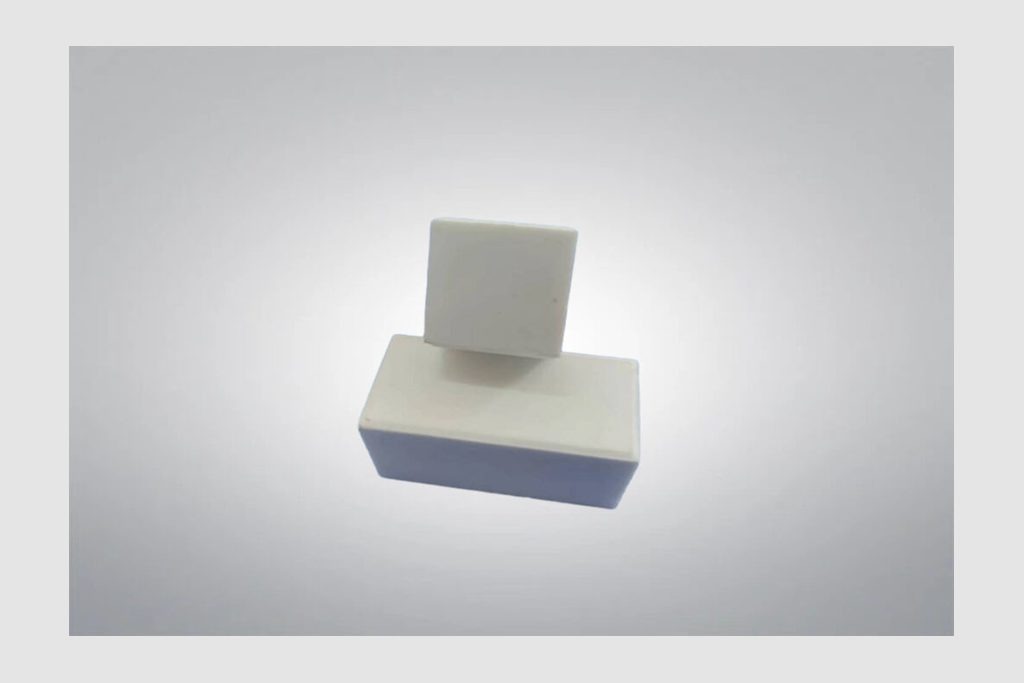
Manufacturing aluminum oxide ceramics for automotive use involves several well-established processes, each suited to different component types and tolerances. Selecting the right process affects both the final performance of the part and the overall production cost.
Common manufacturing methods include:
- Dry pressing and sintering: Cost-effective for large-scale, standard-geometry parts
- Hot isostatic pressing (HIP): Used for dense, high-purity parts with tight tolerances
- CNC machining post-sintering: Allows fine-tuned component shapes after the ceramic has been formed
Surface finishing, dimensional tolerance, and bonding with metals through techniques such as brazing or metallization are all critical factors in automotive integration. Getting these right ensures the ceramic part performs as expected when assembled into a broader metal or composite system.
What Are the Challenges and Limitations of Aluminum Oxide Ceramics in Automotive Use?
Despite its strong performance profile, aluminum oxide does have limitations that engineers need to plan for. Understanding these constraints early in the design process helps avoid costly failures or redesigns.
- Brittleness: Compared to metals, alumina has lower fracture toughness and can crack under sudden mechanical impact or thermal shock.
- Machining difficulty: Working with alumina requires diamond tooling and specialized equipment, which increases production costs.
- Joining issues: Bonding alumina to metal components requires careful design and specialized techniques to avoid stress concentration at the interface.
Hybrid systems and protective coatings can help address brittleness in many applications. Advances in ceramic-to-metal bonding, particularly active brazing, are expanding the range of automotive parts where alumina can be used reliably.
Market Trends and Future Outlook for Alumina Ceramics in Automotive
The automotive industry’s shift toward electrification, tighter emission standards, and smarter vehicle electronics is creating strong demand for high-performance ceramic materials. Aluminum oxide ceramics are well positioned to meet many of these growing needs.
Key areas of projected growth include:
- Electric vehicle thermal management: As EV battery systems scale up, alumina’s role as a thermal barrier and insulator will grow.
- Advanced driver-assistance systems (ADAS): More sensors and electronics in vehicles means greater demand for reliable ceramic substrates and housings.
- Hydrogen fuel cell components: Alumina’s chemical resistance and thermal stability make it a natural fit for the demanding environments inside hydrogen fuel cell assemblies.
On the research side, nanostructured alumina, multilayer ceramic devices, and additive manufacturing techniques such as 3D-printed ceramics are leading the next wave of innovation. These developments are expected to make alumina components more precise, more affordable, and usable in an even broader range of automotive applications through 2026 and beyond.
Conclusion
Aluminum oxide ceramics have become essential materials in modern automotive manufacturing. Their combination of mechanical strength, thermal endurance, and electrical insulation supports a wide range of functions, from engine operation and emission control to electronic systems and EV battery safety. As the automotive industry continues to push toward higher efficiency, cleaner operation, and smarter systems, the role of Al₂O₃ will only grow stronger.
Advanced Ceramics Hub supplies high-purity aluminum oxide ceramic components with customizable specifications and technical support, helping automotive manufacturers and research teams source reliable ceramic solutions with confidence.
Contact Advanced Ceramics Hub to request a quote for alumina ceramics
Frequently Asked Questions About Aluminum Oxide Ceramics in Automotive Manufacturing
What purity grade of alumina ceramic is best for automotive sensor housings?
For sensor housings in automotive applications, 99% to 99.7% purity grades are most commonly used. These grades offer a strong combination of electrical insulation, thermal stability up to 1550–1650°C, and mechanical strength sufficient to protect sensitive electronics in under-hood environments. The right grade depends on the specific operating temperature, vibration exposure, and electrical requirements of the sensor system.
How does alumina ceramic improve the lifespan of spark plugs?
Alumina ceramic is the standard insulator material in spark plugs because it can withstand combustion temperatures while preventing electrical current from leaking through the plug body. Its high dielectric strength, typically above 13 kV/mm at 99.7% purity, keeps the electrical charge focused at the tip. This consistent insulation performance extends ignition reliability and reduces the frequency of spark plug replacement.
Can aluminum oxide ceramics be used in EV battery systems?
Yes. In electric vehicles, Al₂O₃ is used as a thermal barrier and electrical insulator between battery cells and within battery management system housings. It helps control heat buildup during charging and discharging while maintaining electrical separation, which reduces the risk of thermal runaway. Its lightweight properties also support the overall weight targets that are critical to EV range performance.
What is the difference between alumina and zirconia ceramics for automotive use?
Alumina and zirconia are both technical ceramics used in vehicles, but they serve different purposes. Alumina offers higher hardness, better wear resistance, and a much higher maximum operating temperature (up to 1700°C versus 1000°C for zirconia). Zirconia, on the other hand, has better fracture toughness, meaning it handles sudden impacts without cracking as easily. For high-temperature, high-wear applications like engine components, alumina is generally the better choice. For applications requiring more flexibility under mechanical load, zirconia may be preferred.
Is alumina ceramic suitable for hydrogen fuel cell vehicle components?
Yes. Alumina ceramics are being evaluated and used in hydrogen fuel cell assemblies because of their chemical resistance to hydrogen environments and their ability to maintain stability at elevated temperatures. Their electrical insulation properties are also valuable in fuel cell stack designs where preventing current leakage between components is essential for efficiency and safety.
How are aluminum oxide ceramics joined to metal parts in automotive assemblies?
Bonding alumina to metal requires specialized techniques because the two materials expand at different rates when heated. The most common methods include active brazing, which uses a metal alloy to form a bond between the ceramic and metal surfaces, and metallization followed by soldering. These techniques are well established in automotive-grade ceramic manufacturing and allow reliable, durable joints when designed correctly.
What makes alumina ceramics a sustainable choice for automotive manufacturers?
Aluminum oxide is derived from bauxite, one of the most abundant minerals on earth, which keeps raw material sourcing stable. Alumina parts last significantly longer than metal or polymer alternatives in high-wear applications, which reduces replacement frequency and waste over a vehicle’s lifetime. The material is also fully inert in most environments, meaning it does not leach harmful substances, and it can be recycled at end of life through established ceramic processing routes.